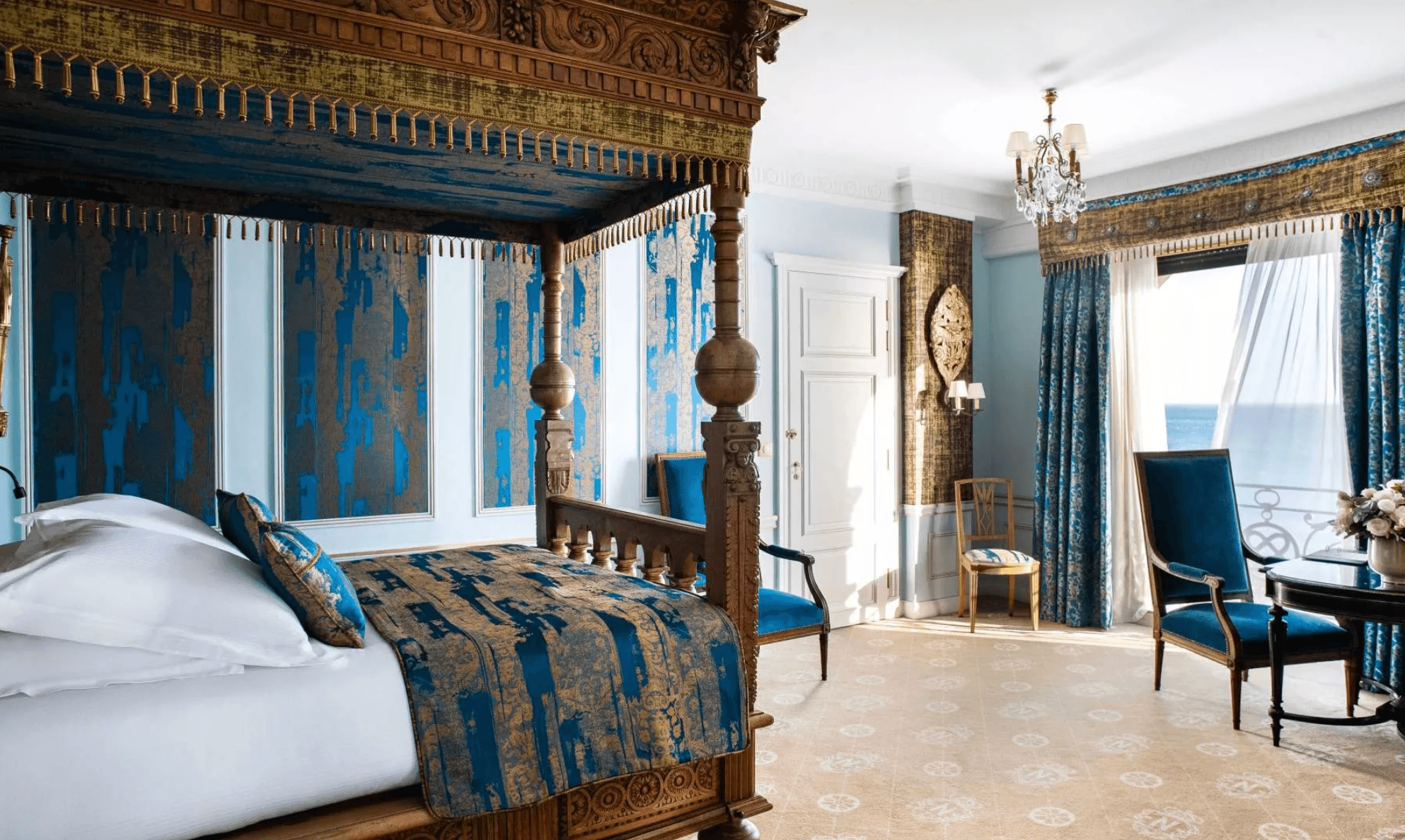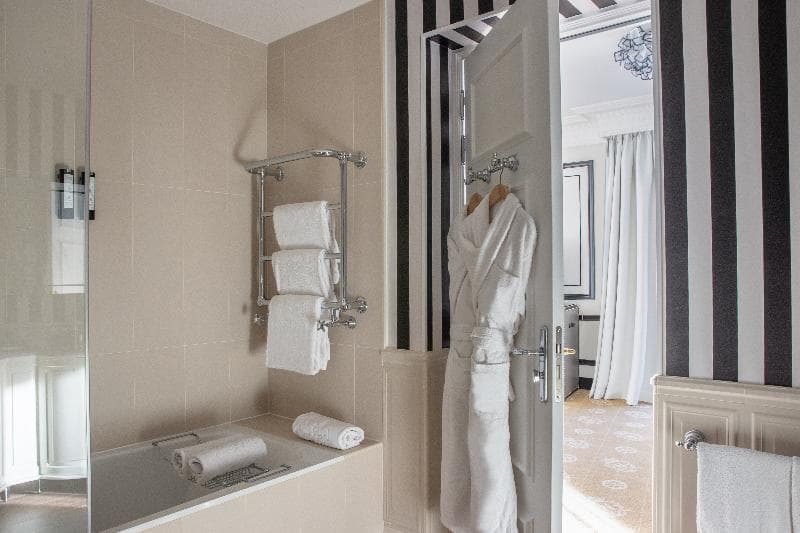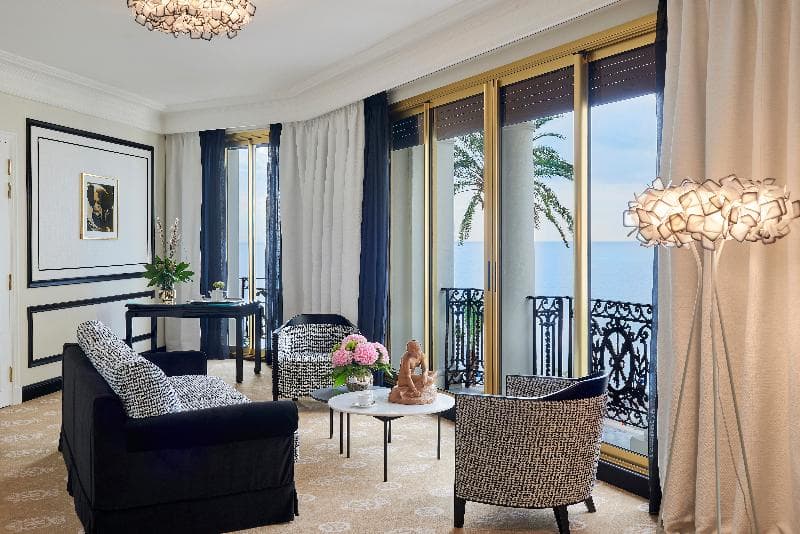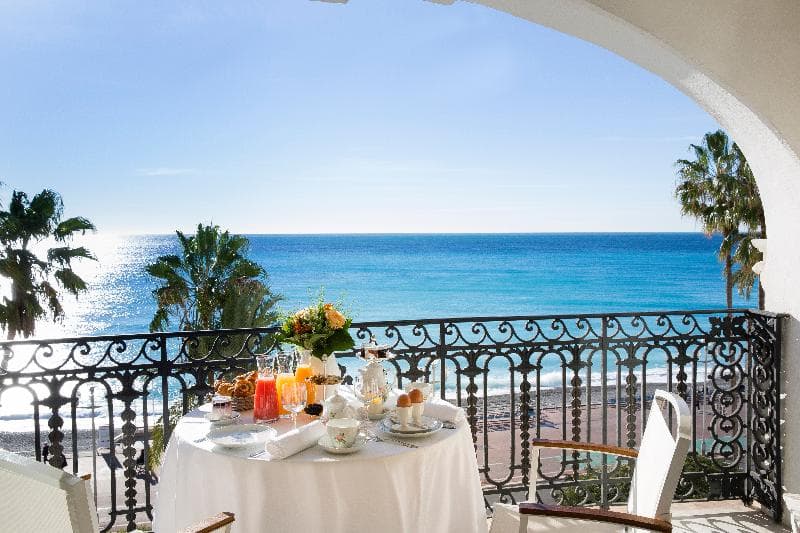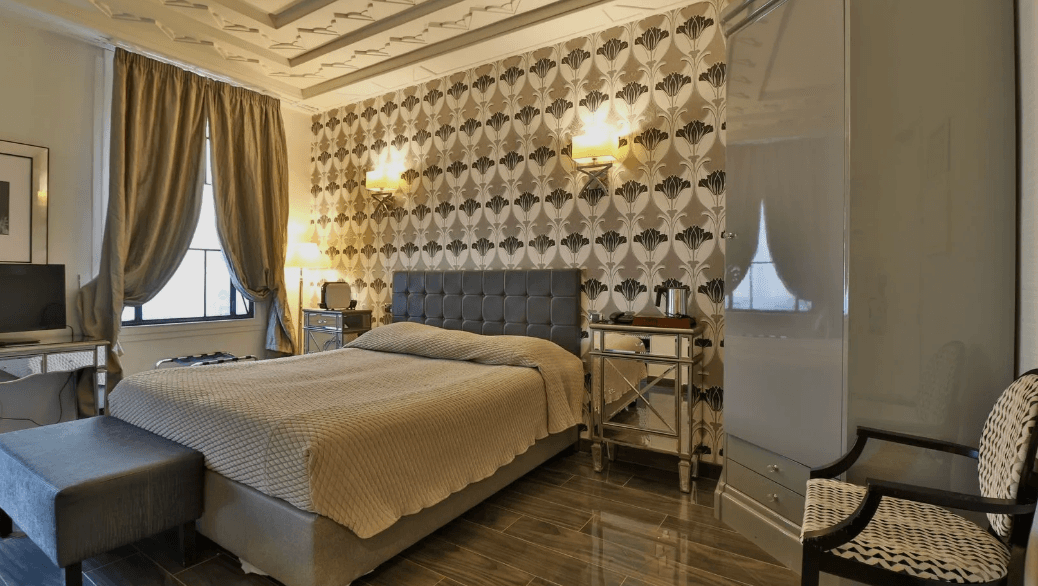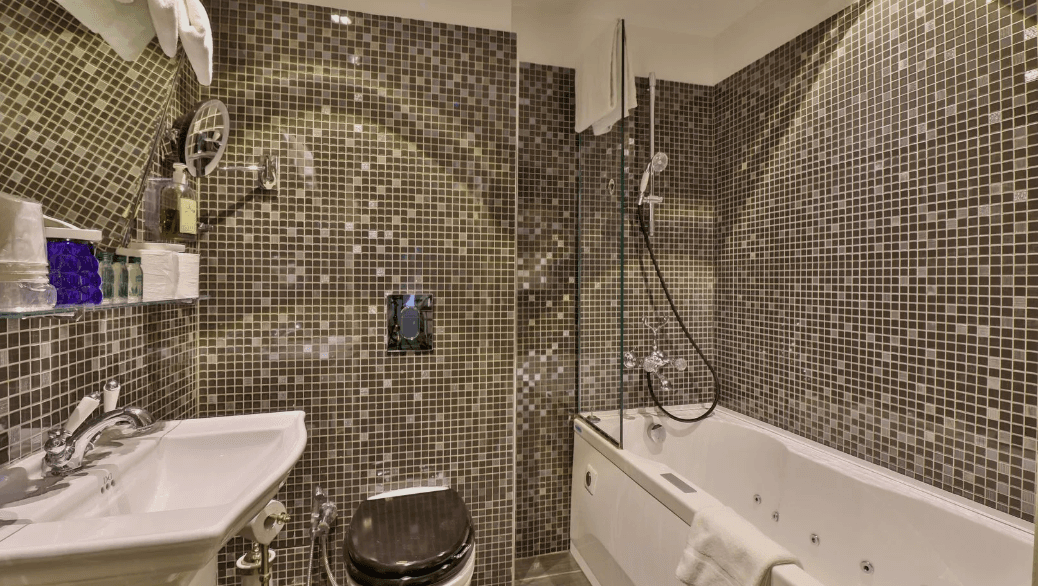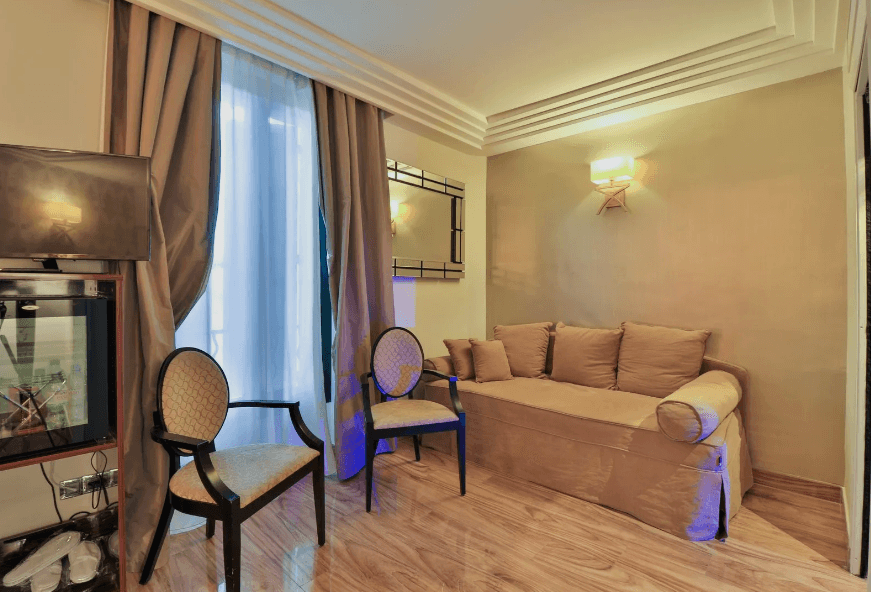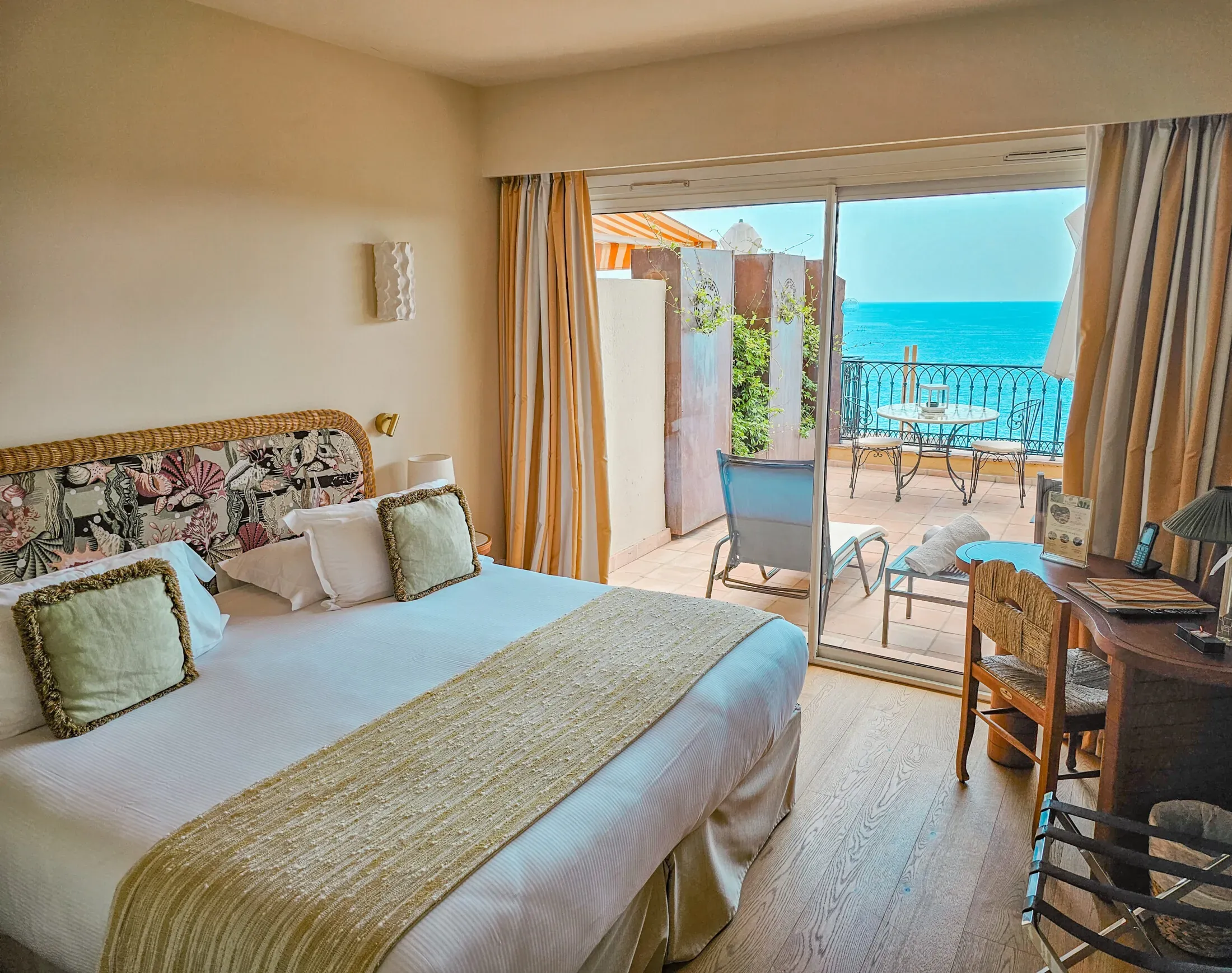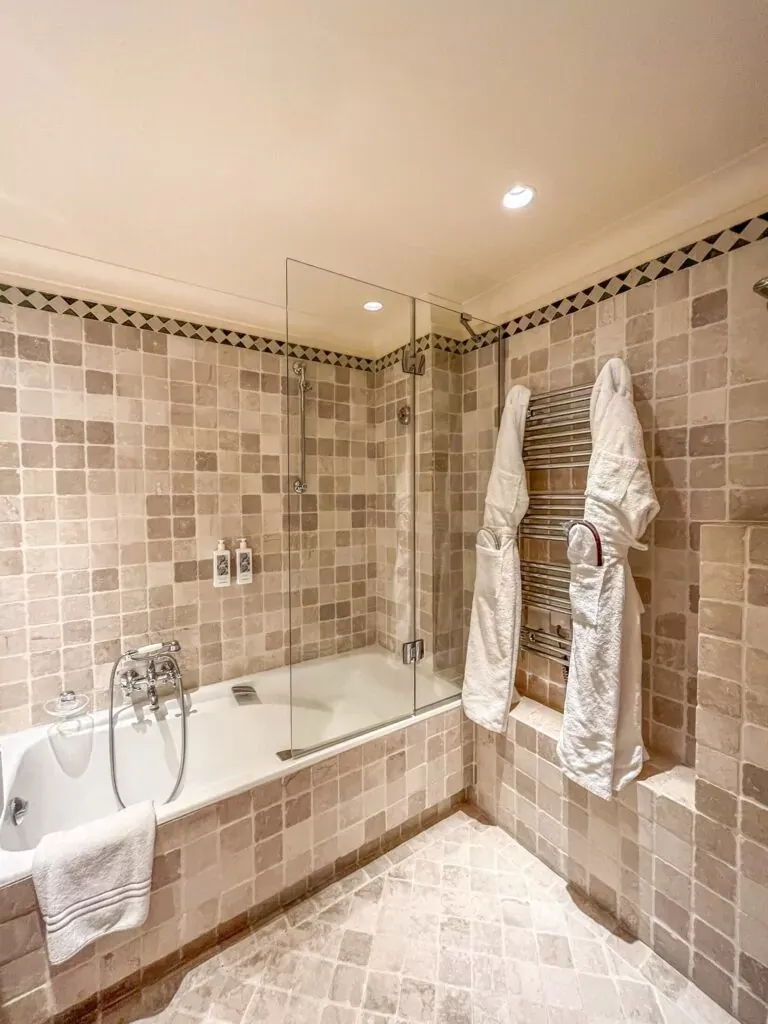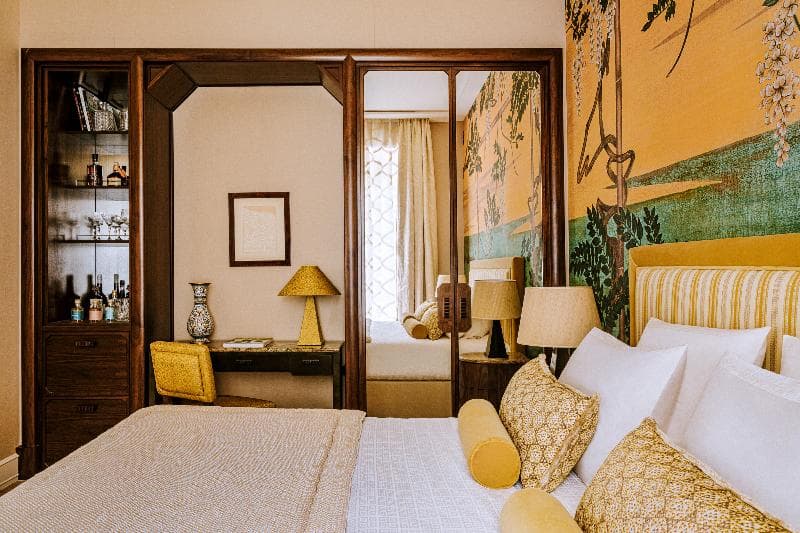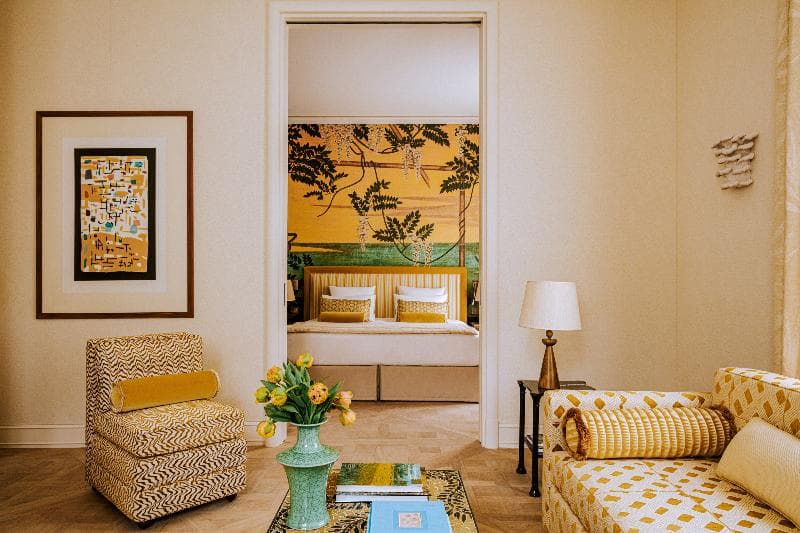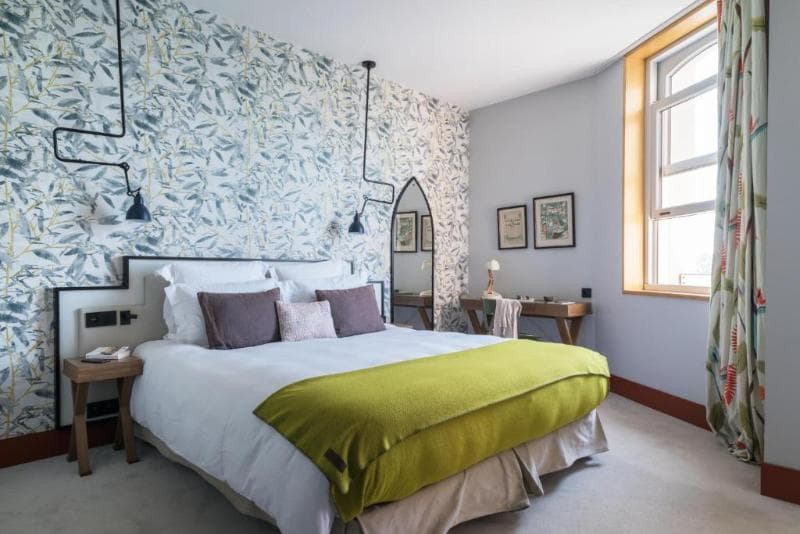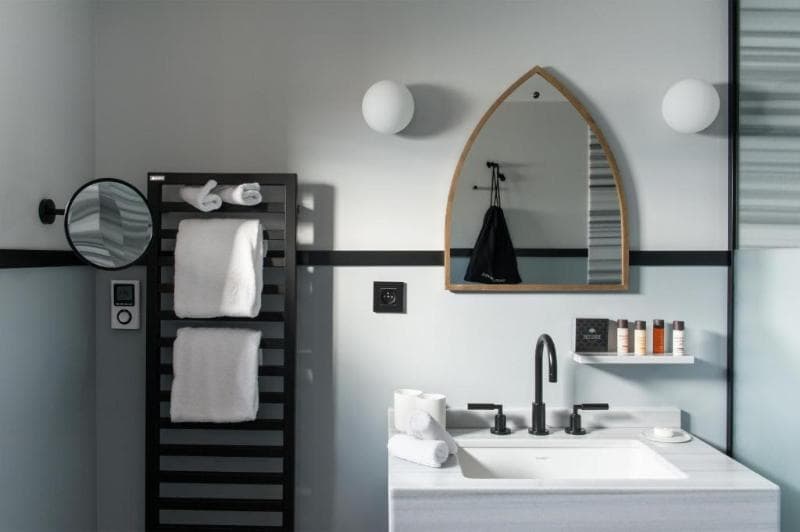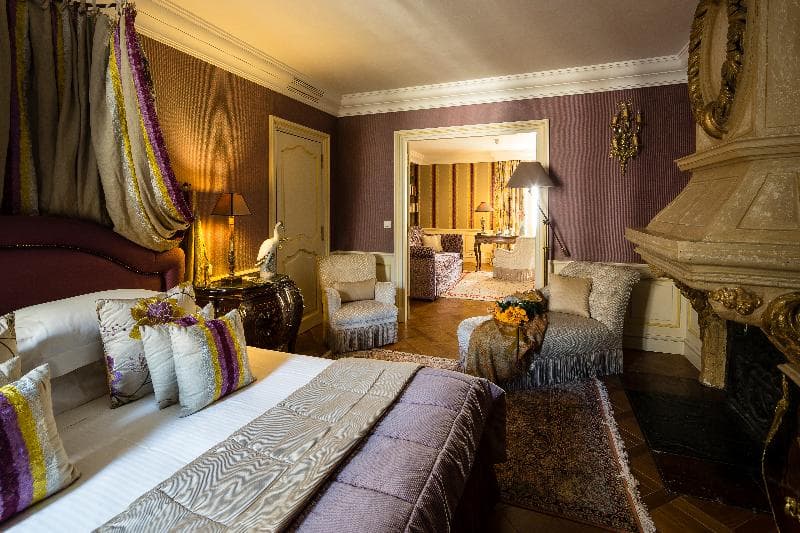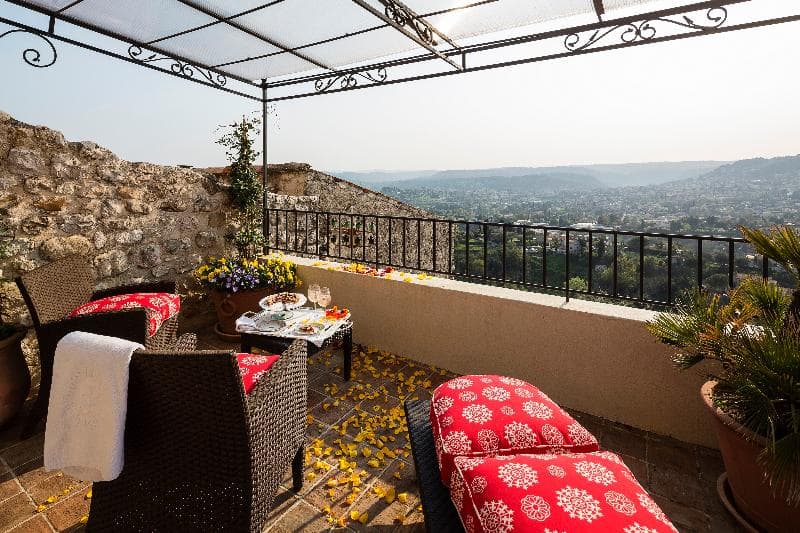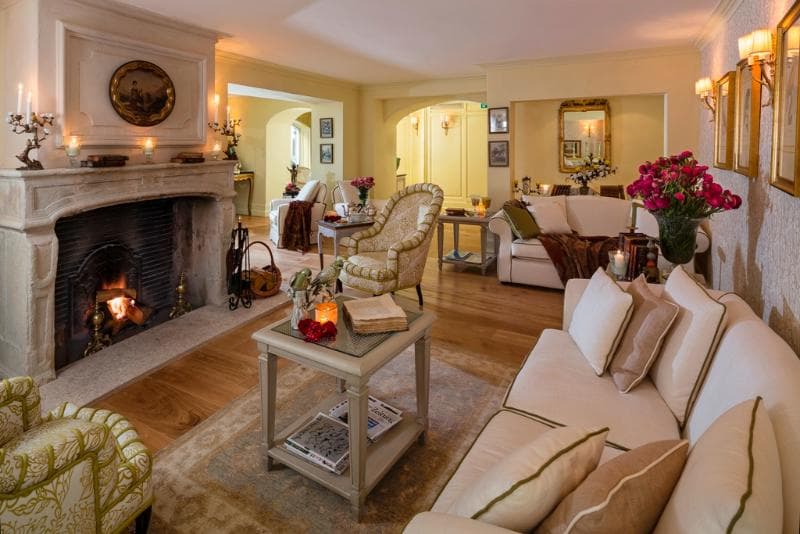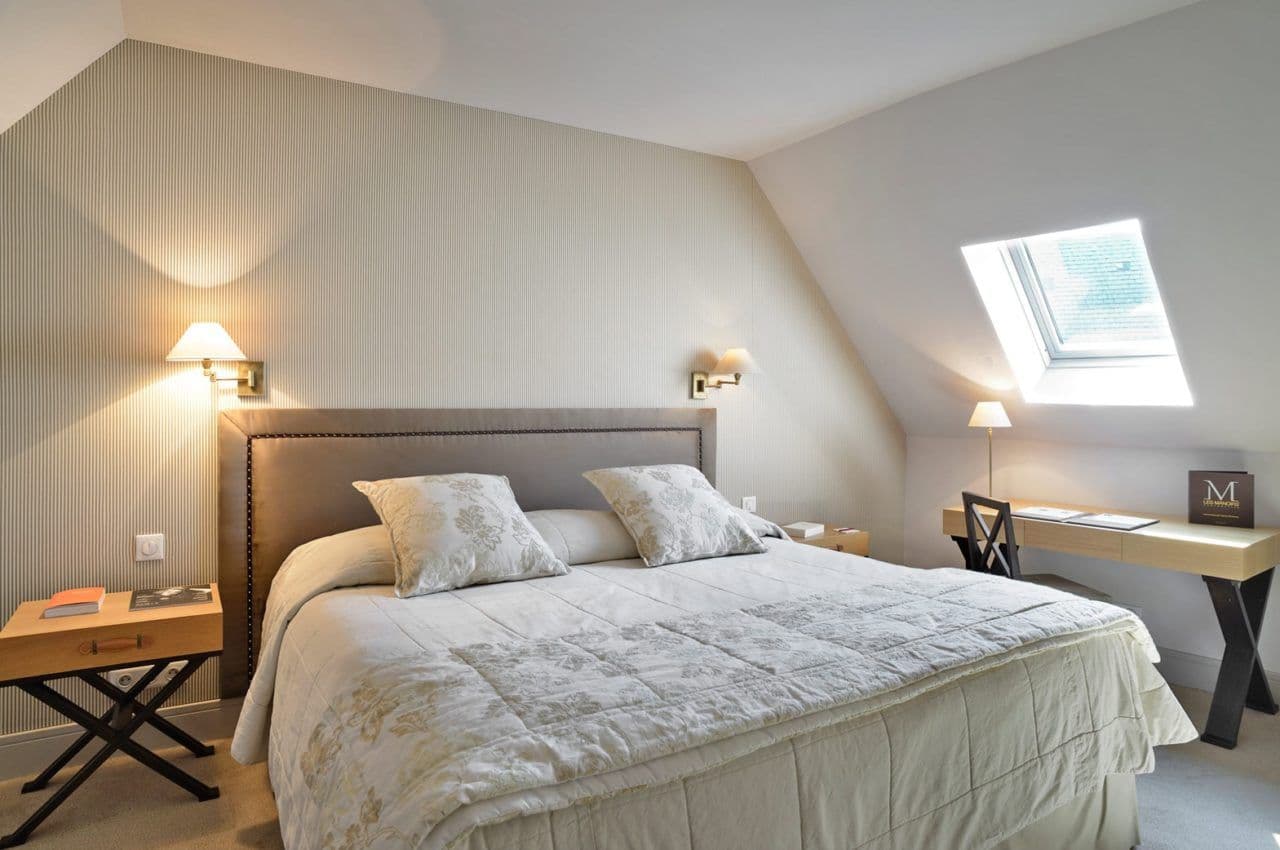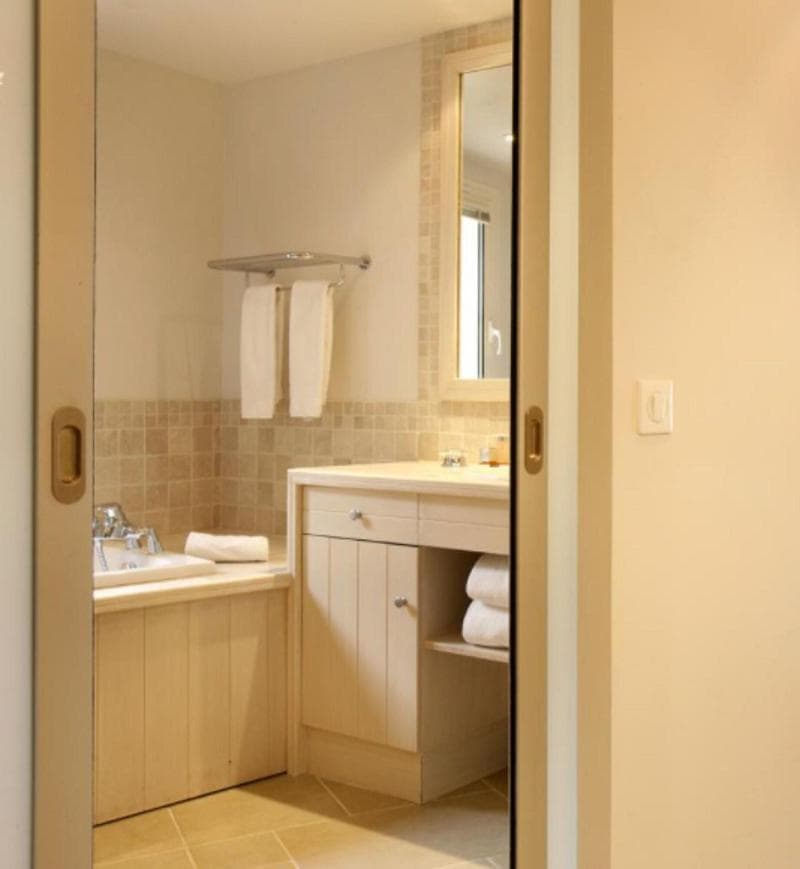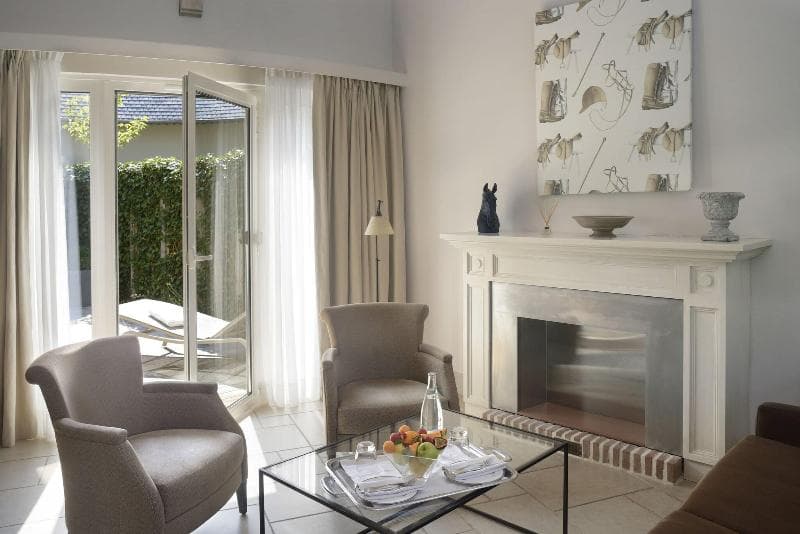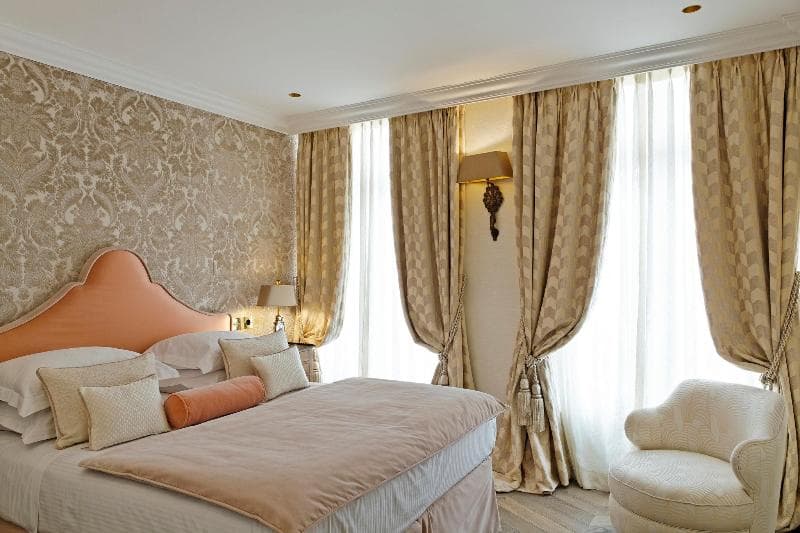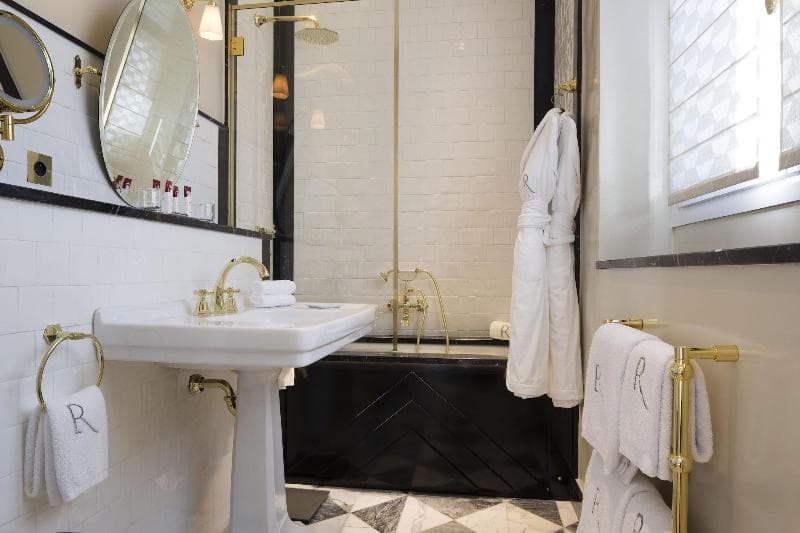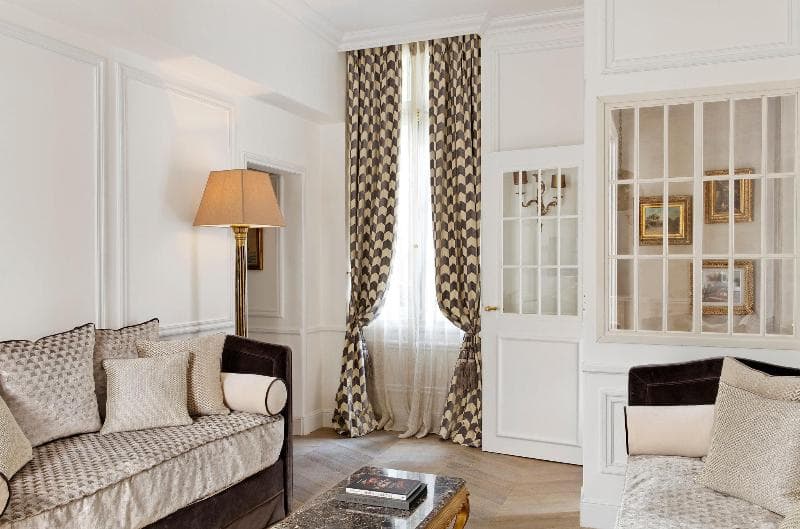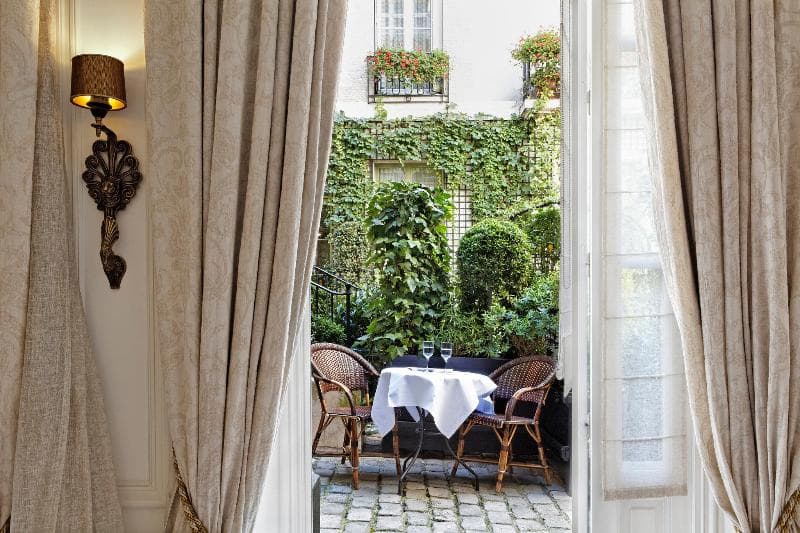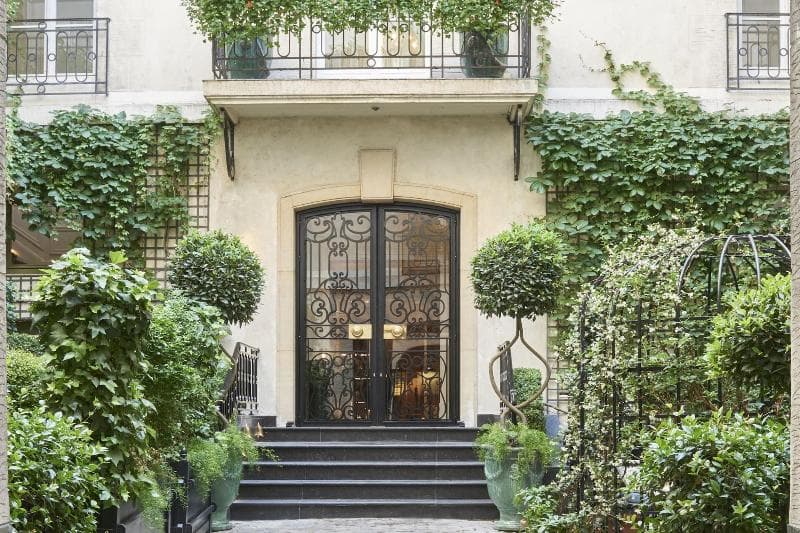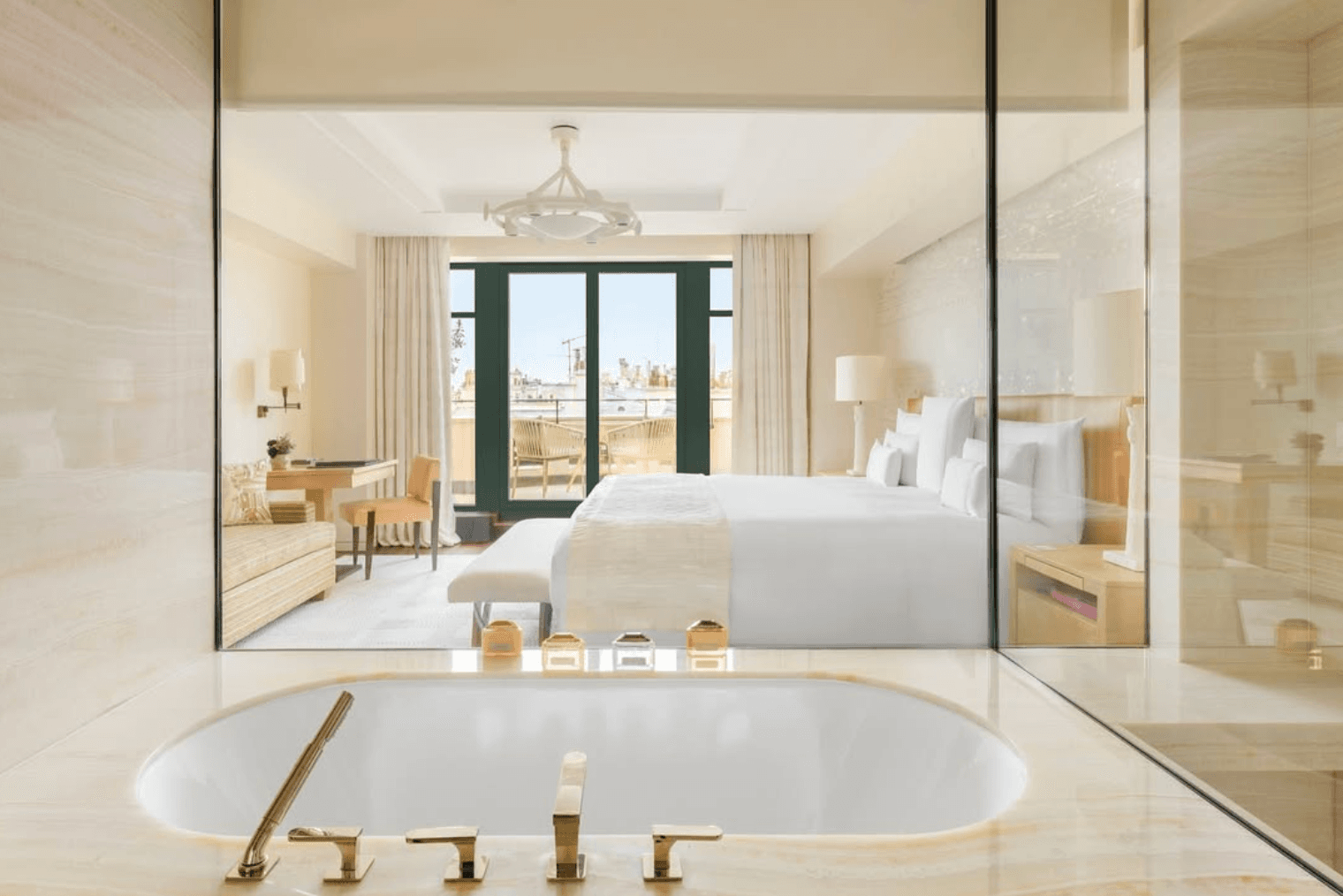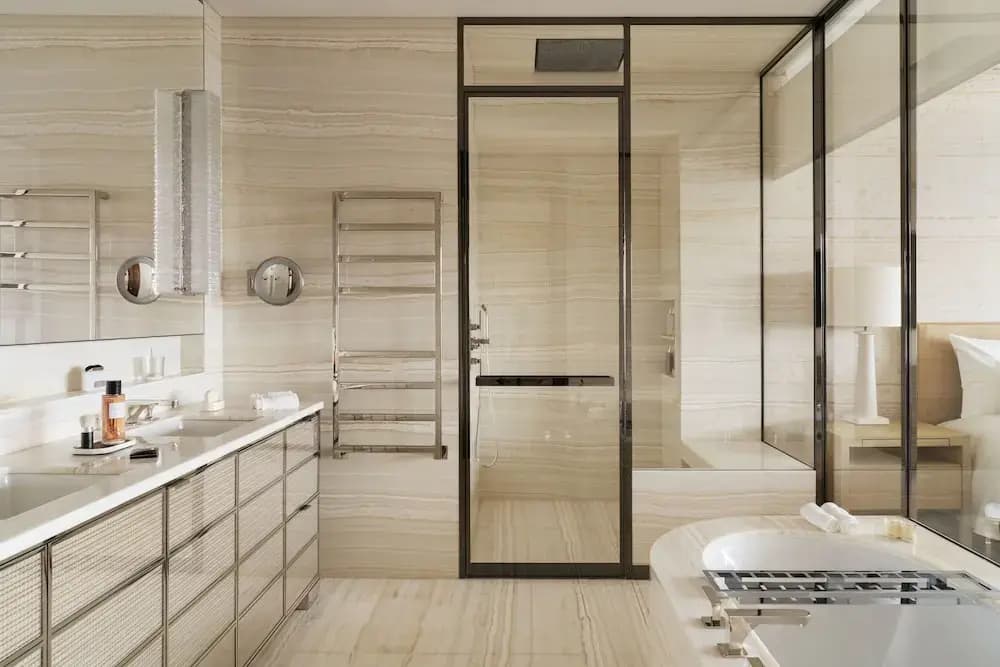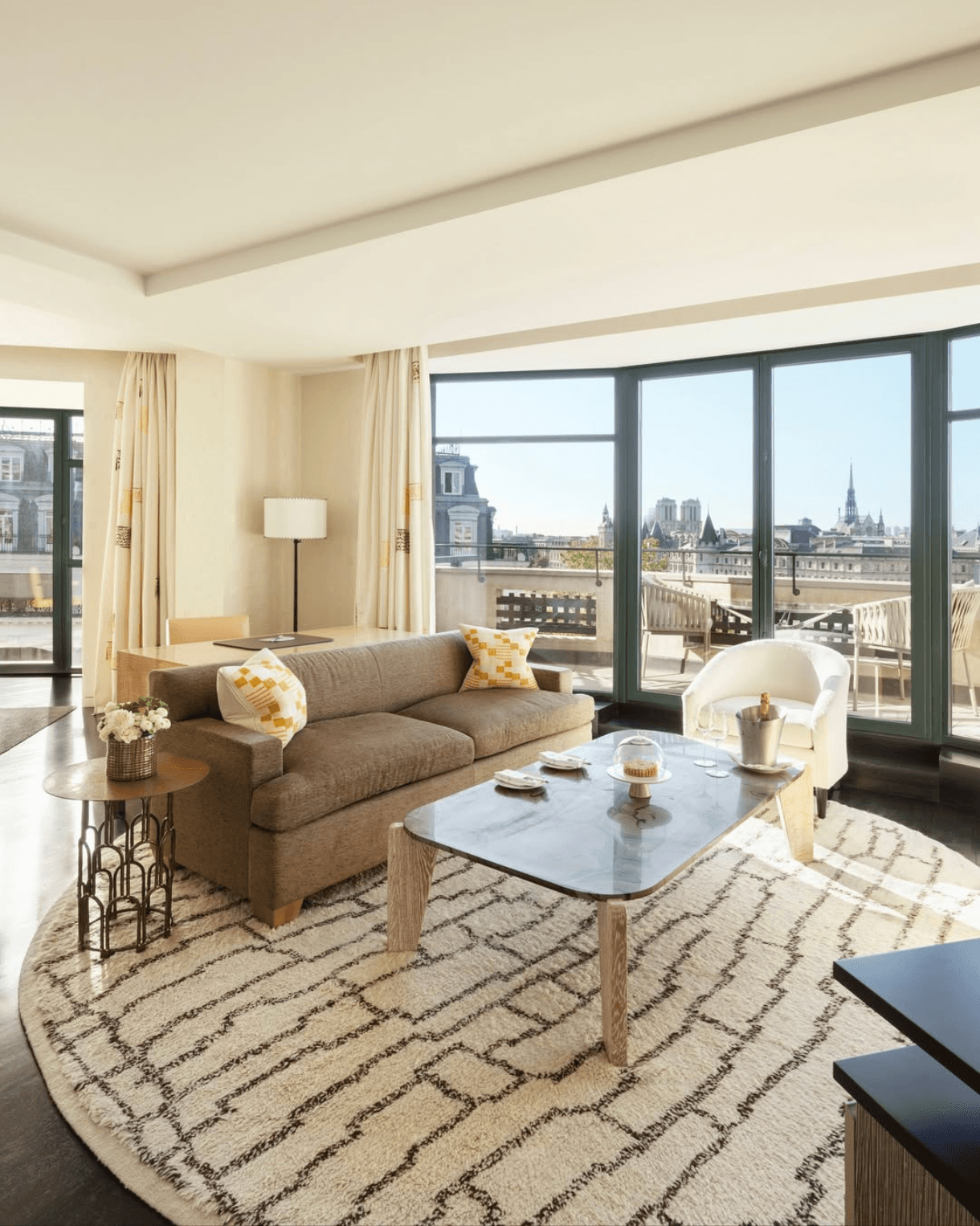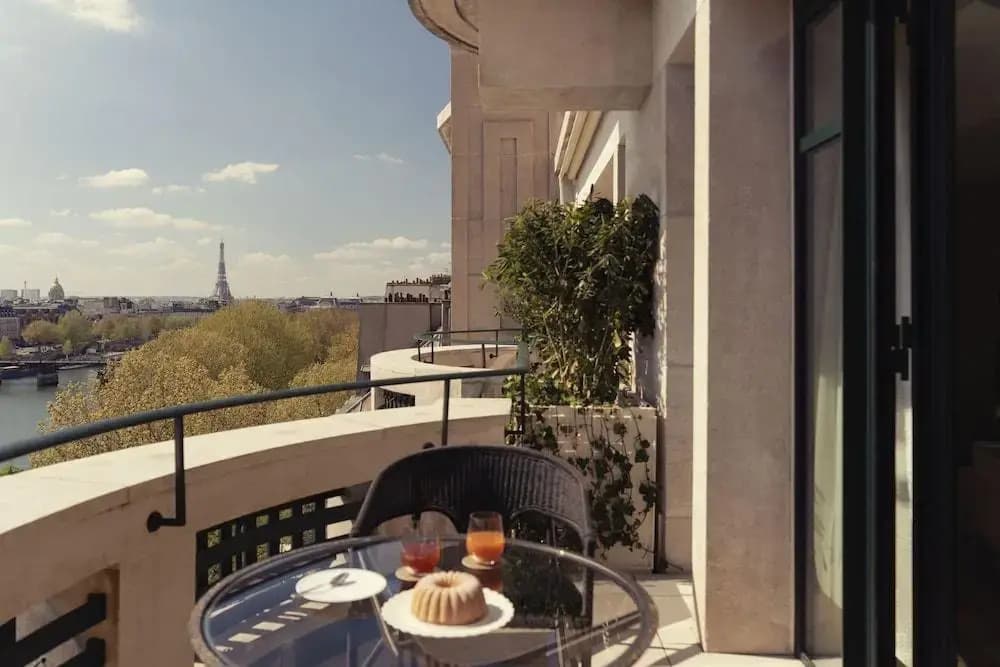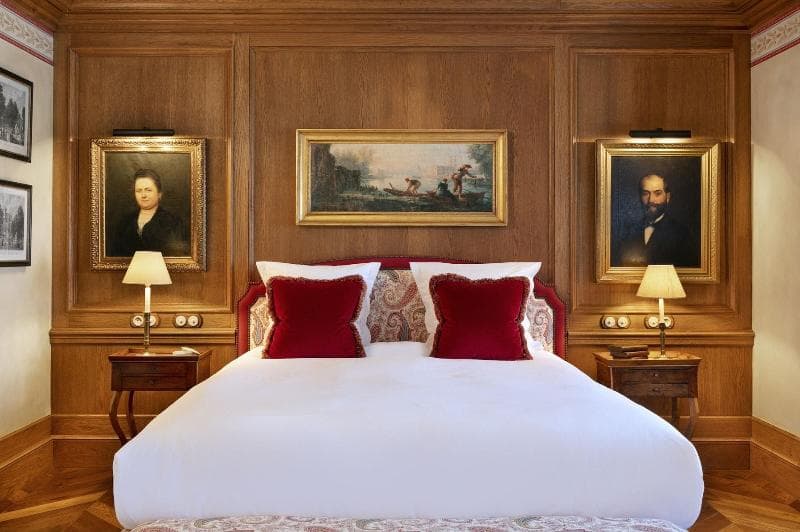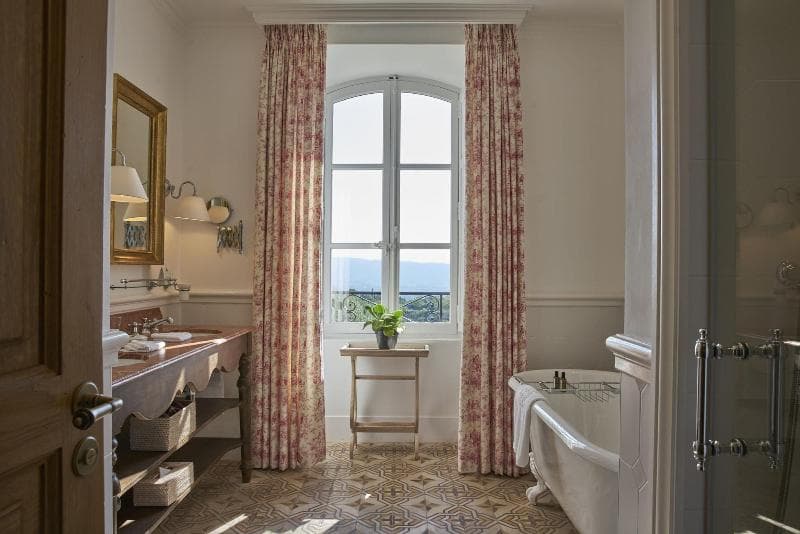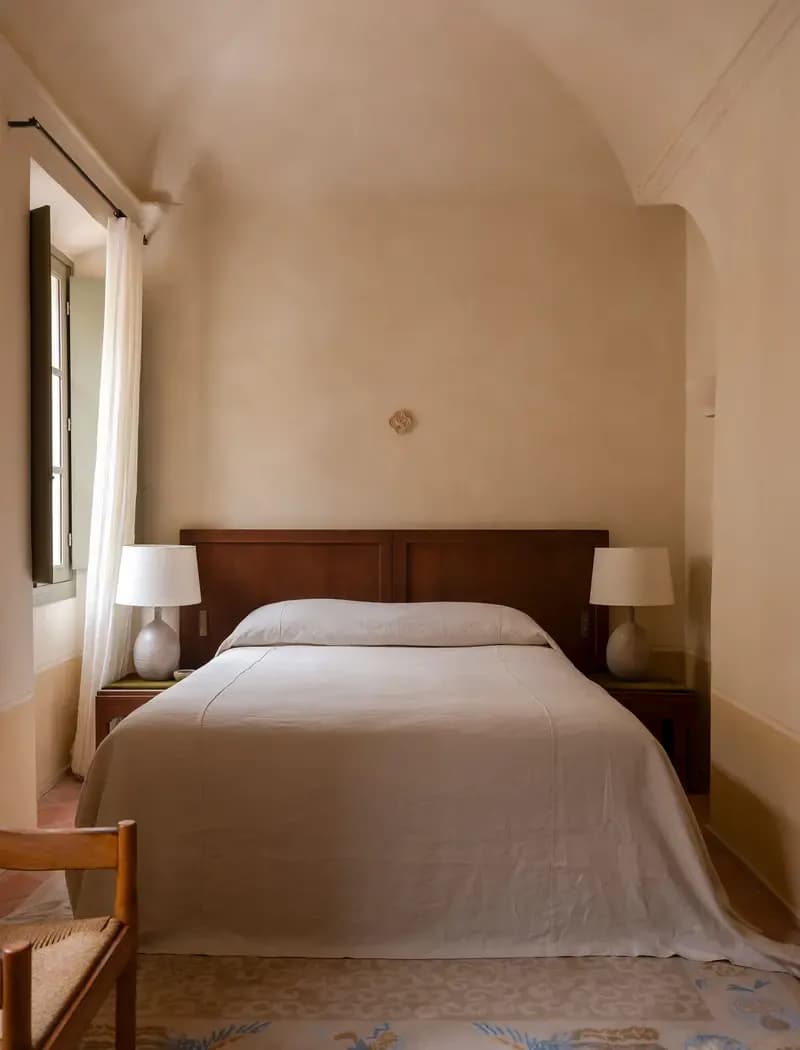
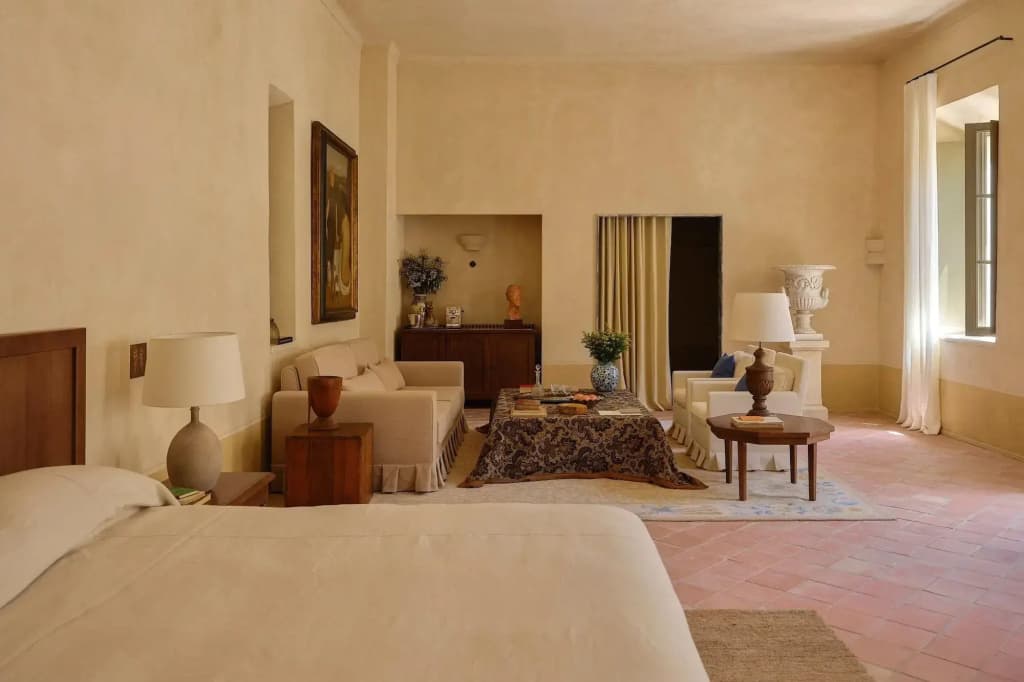
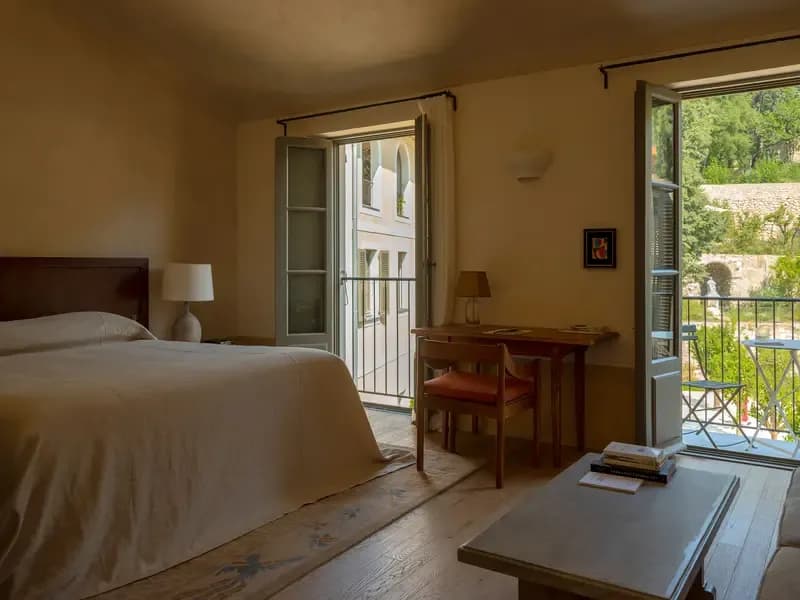
Clarisses room
350 sq.ft • City View
From $352
THE PINK NOTEBOOK VERDICT
Hotel Du Couvent, A Luxury Collection Hotel, Nice, France
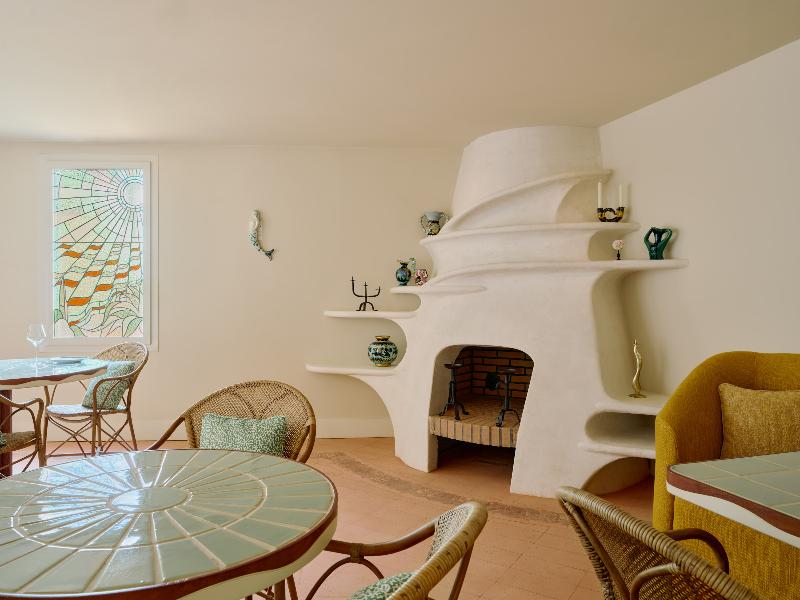
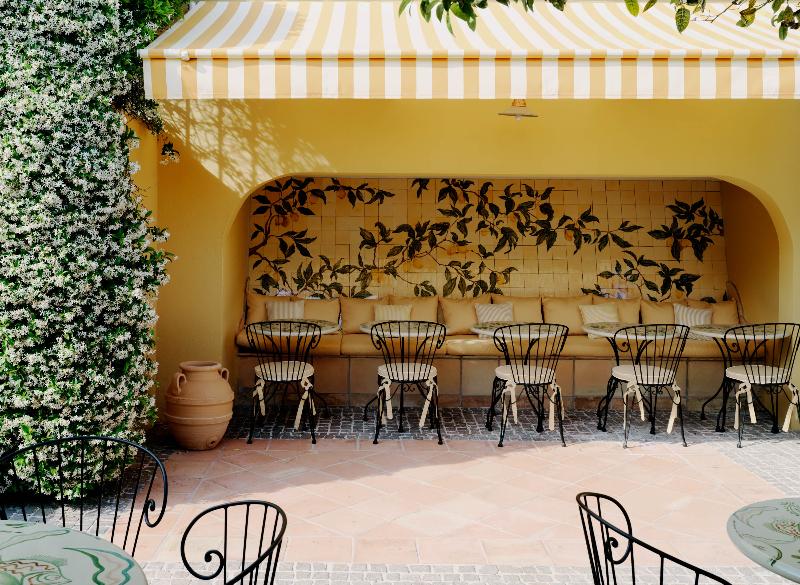
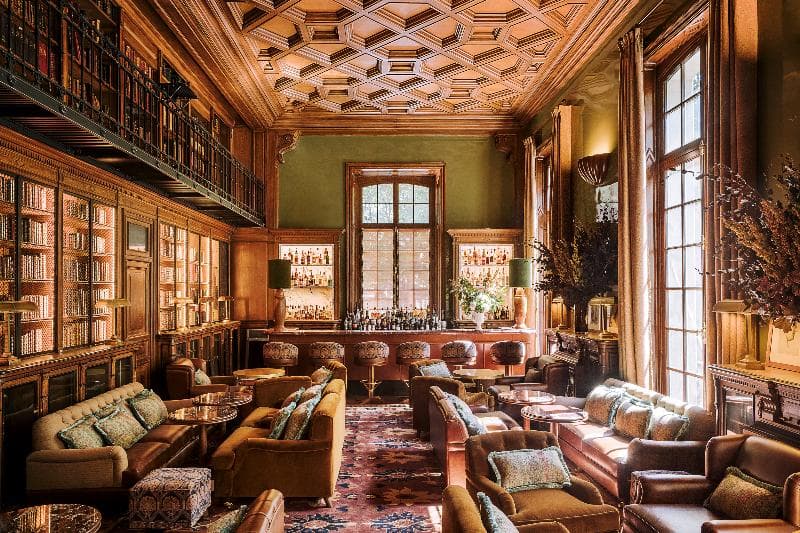
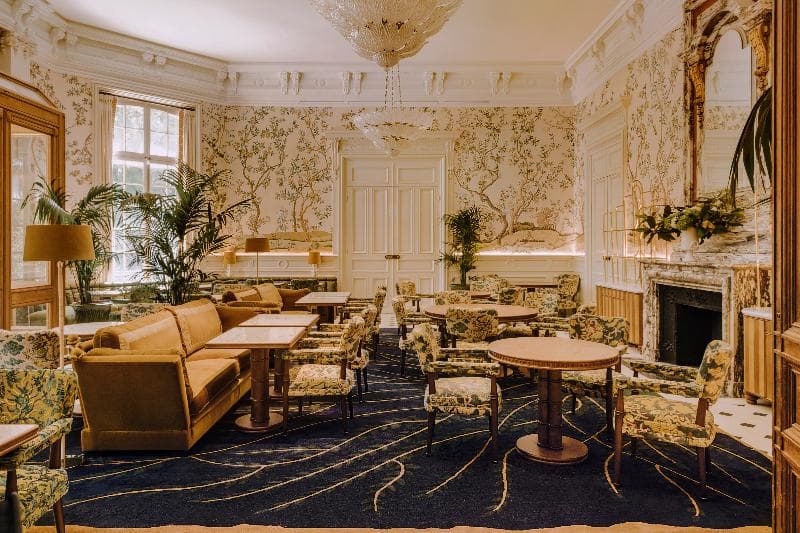
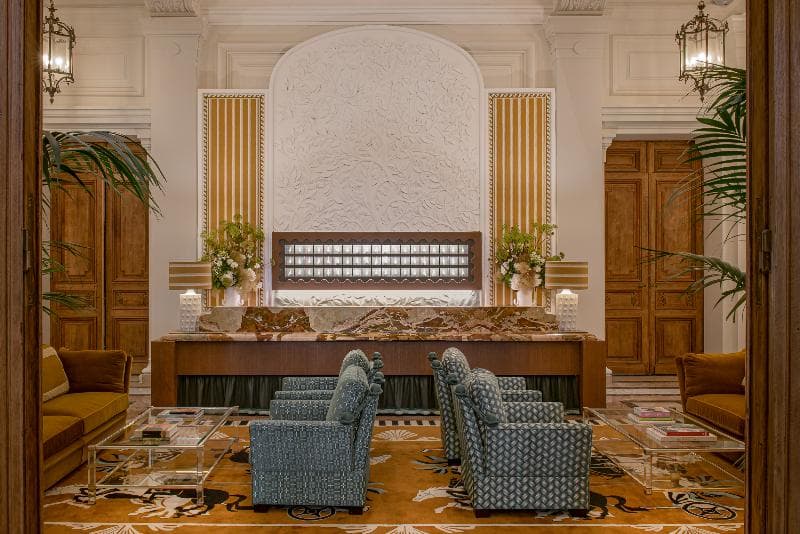
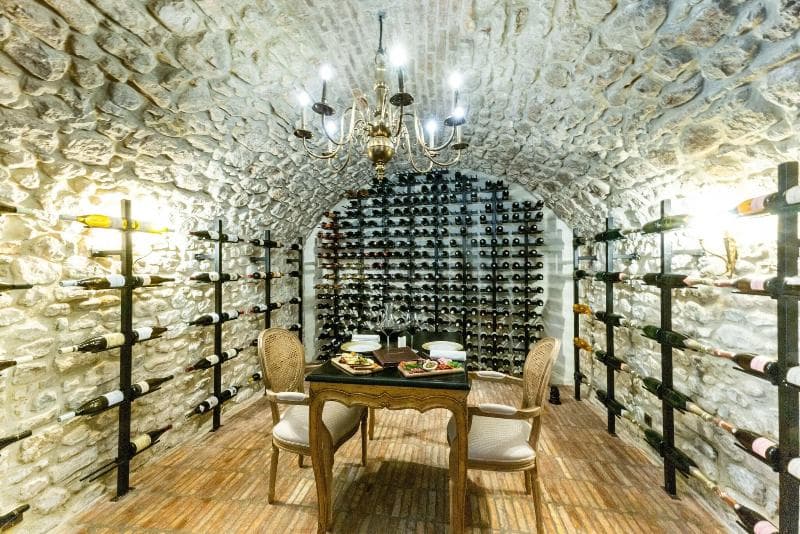
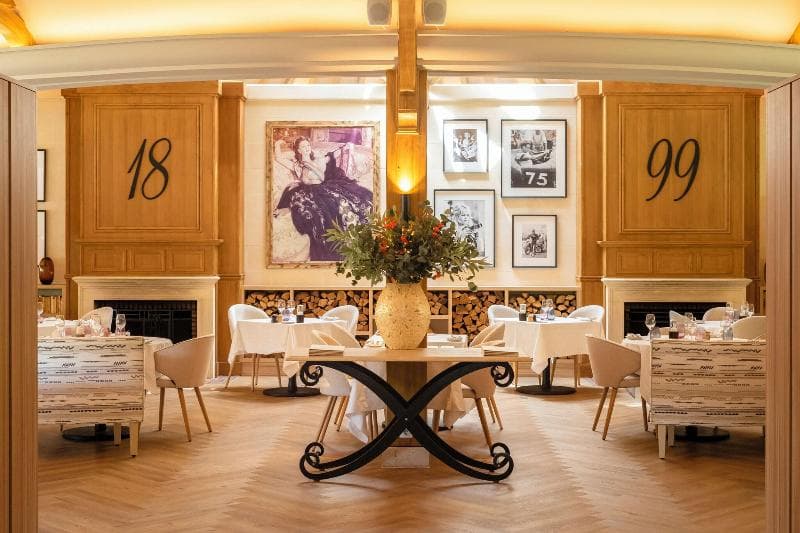
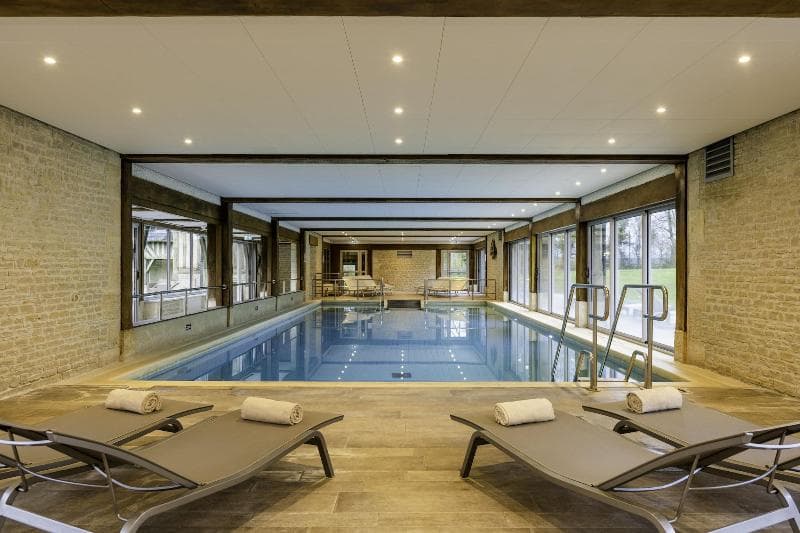
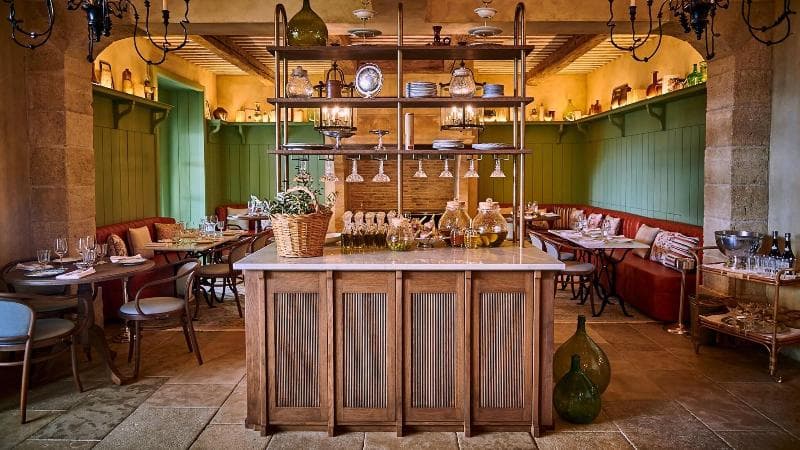
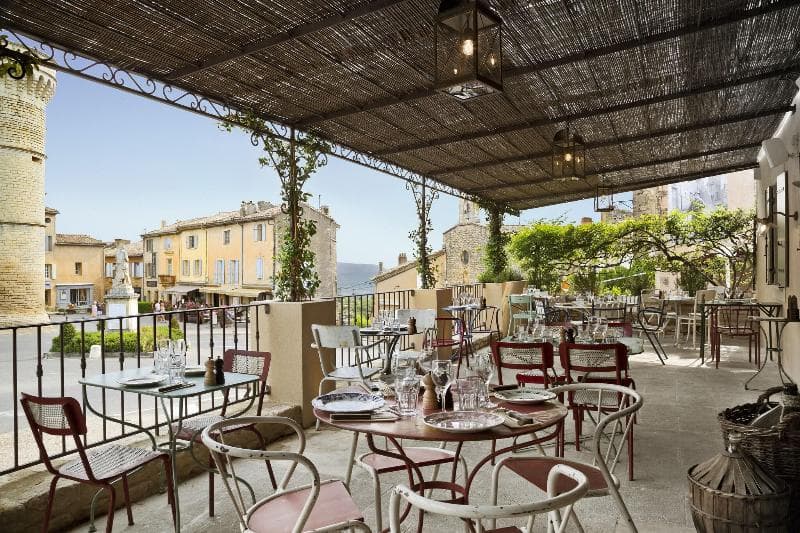
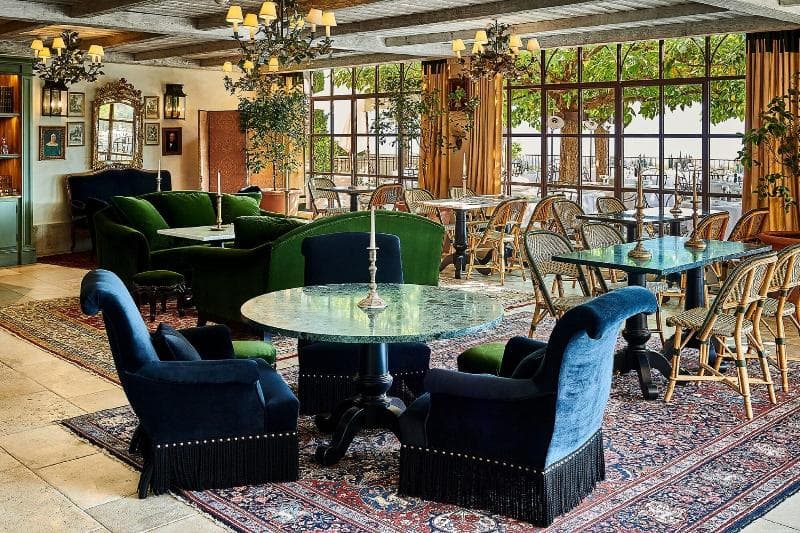
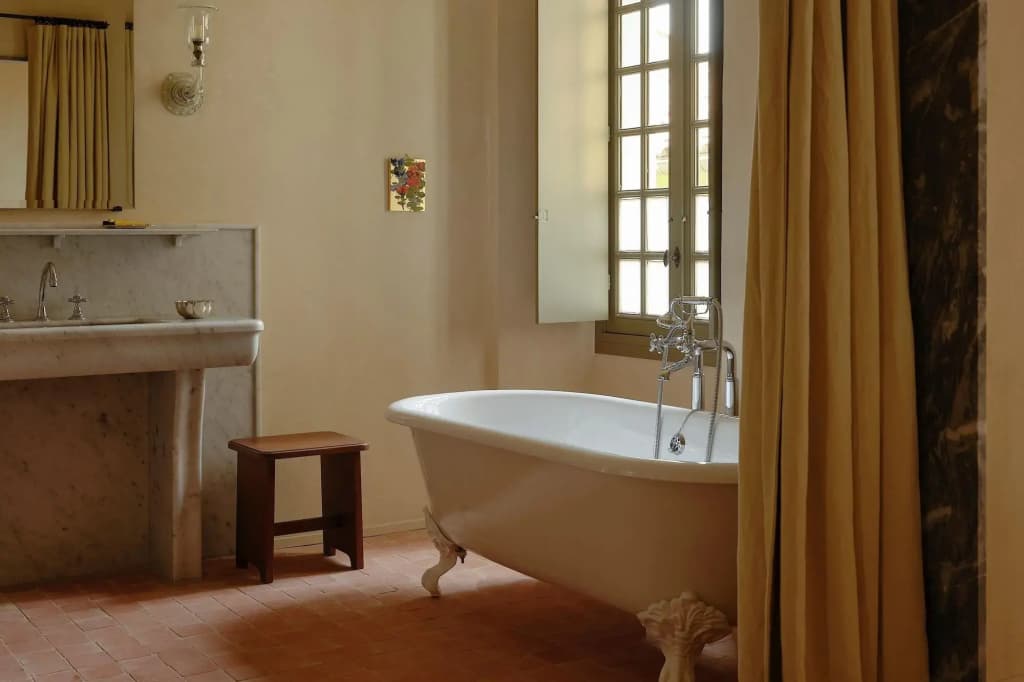
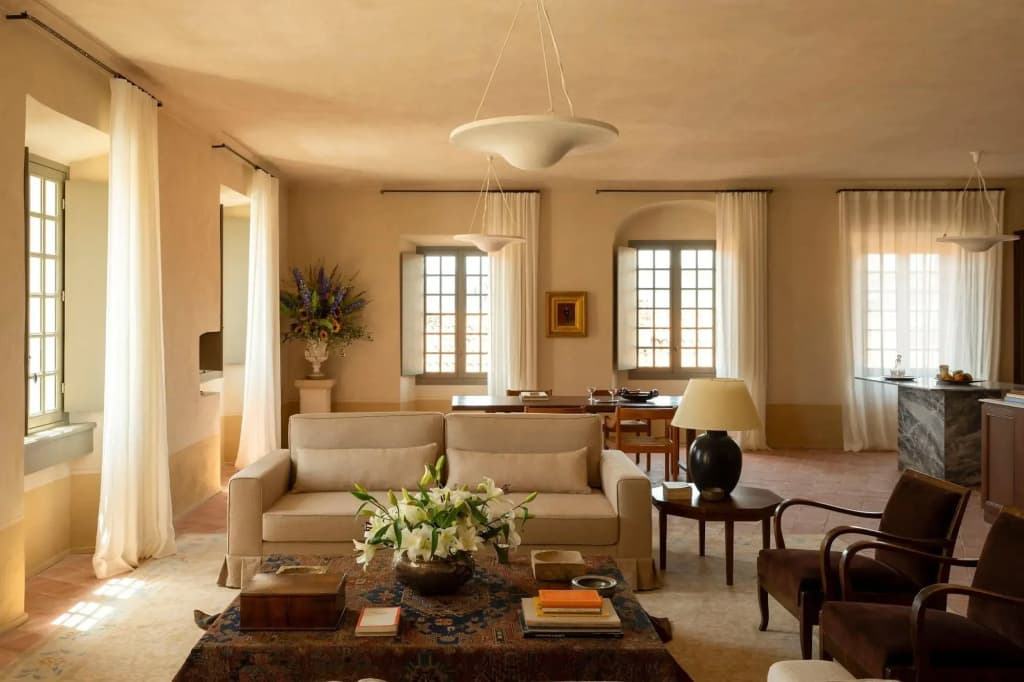
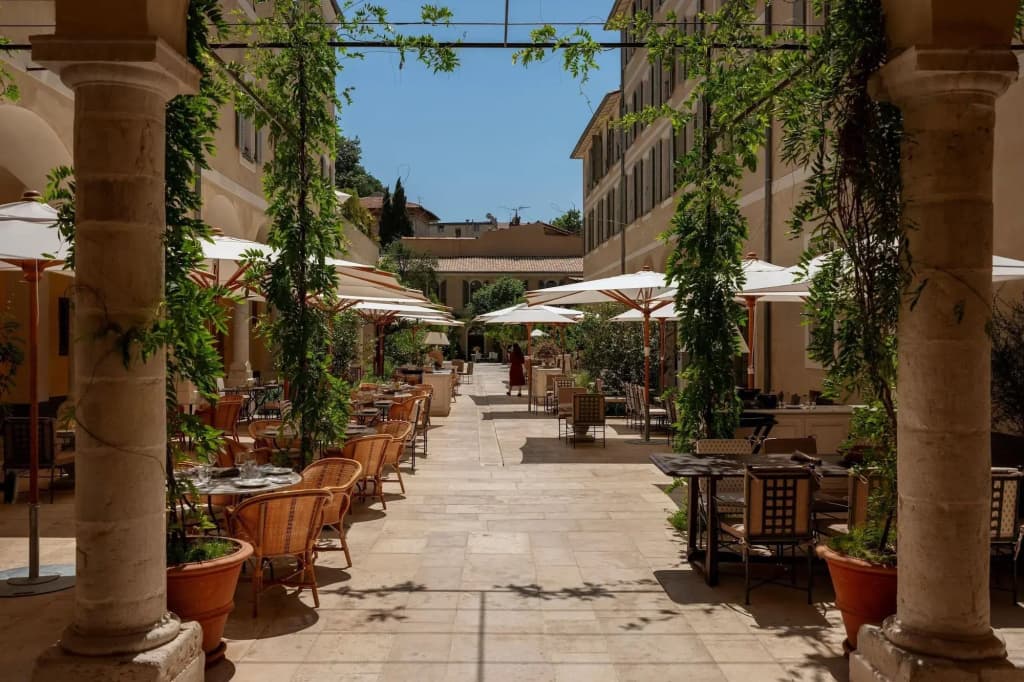
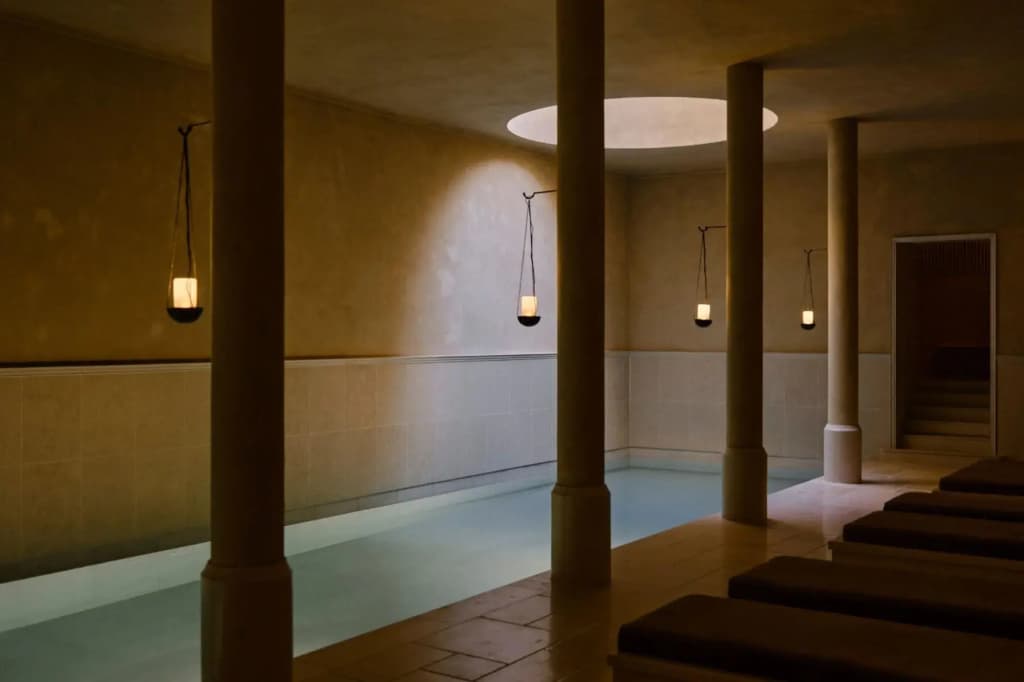
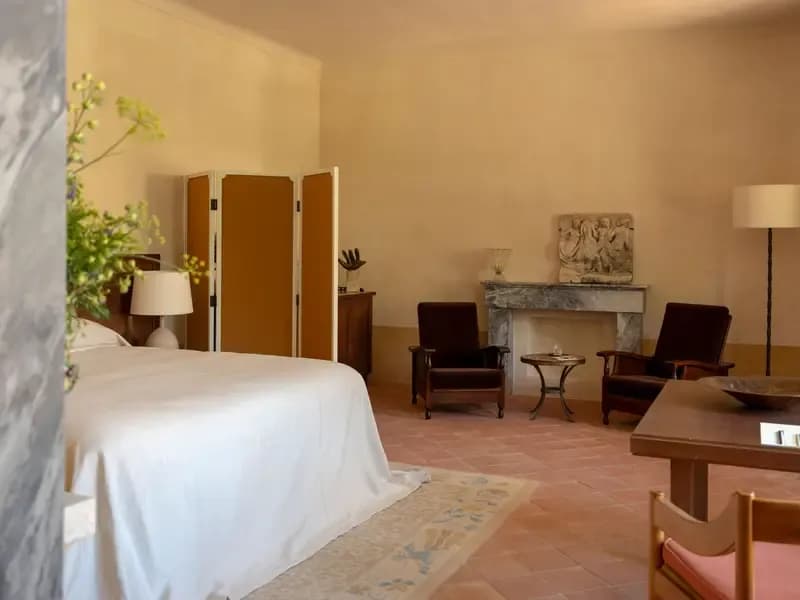
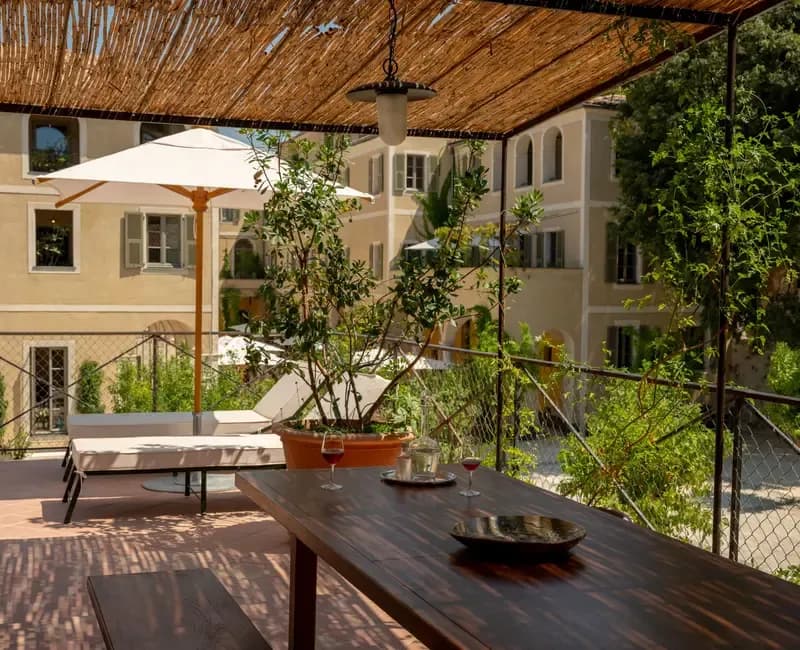
Built by the nuns of the Order of Saint Claire in 1604, using stone, lime whitewash, and timber repurposed from a neighbouring château, the Couvent de la Visitation stands on a hillside terrace above the medieval lanes of Vieux Nice, its three buildings surrounding a cloister courtyard that has been known in the city as a place of quiet for over four centuries. The Order of the Visitation occupied it from 1803 until the early 1980s, after which the building was vacated, declared a Historic Monument in 1989, and became a problem for the Nice city council for two decades, too significant to demolish and too complex to repurpose without vision. That vision arrived in the person of Valéry Grégo, founder of the Perseus Group and the hotelier behind Les Roches Rouges and Le Pigalle in Paris, who was approached by the mayor of Nice sometime in the 2010s and eventually, after visiting the site, took on a 93-year lease in 2021. The ten-year restoration that followed, budgeted at €70 million, was carried out in collaboration with Studio Mumbai, the Indian practice led by Bijoy Jain, Nice-based architect Louis-Antoine Grégo of Studio Méditerranée, and Paris firm Festen Architecture, with interiors by Festen's Charlotte de Tonnac and Hugo Sauzay. The hotel opened on the 20th of June 2024, operating as a Luxury Collection property under Marriott, with 70 rooms and 18 suites spread across 2.5 acres of terraced gardens in the old town of Nice. Studio Mumbai's intervention is most legible in the new building, whose exterior is dressed in large shutters that reference Nice's traditional persiennas, connecting the addition to its surroundings without mimicking them. The original convent walls were restored using the nuns' own frugal construction methods, aged timber and salvaged stone returned to their positions where possible, lime plaster left in its warm clay tones throughout the rooms, which range from austere monk's-cell proportions in the standard rooms to expansive suites with private gardens and outdoor showers, several of them with full kitchens and butler service. There are no televisions, a deliberate choice the hotel makes no apologies for. The food programme is rooted in the hotel's own farm at Touët-sur-Var, approximately forty kilometres north of Nice, which supplies produce, eggs, and ingredients to three dining spaces: the cloister restaurant, where chef Thomas Vitele constructs a seasonal menu around whatever the farm delivers; La Guinguette, the informal garden café beside the outdoor pool; and Le Bistrot des Serruriers. La Boulangerie du Couvent bakes bread on the premises using the hotel's own flour mill, in the same location where the nuns baked theirs. The wine cellar holds 3,500 bottles, a proportion of them organic, sourced from small producers across Provence and the Var. The spa complex, built underground into the hillside, takes its structure from Roman thermal bathing, with tepidarium, caldarium, and frigidarium pools, a hammam, and an open-air pool that looks up through a stone-framed aperture to a rectangle of sky. Lavender-based bath products are produced exclusively for the hotel by Nice parfumier Azzi Glass. A resident herbalist and a library stocked with rare art journals complete the picture of a property that has genuinely thought about what people do with their time when they are not eating or sleeping. What the Hôtel du Couvent offers, and what sets it apart from every other five-star address on the Côte d'Azur, is the experience of being in Nice without being performed at by it. The Promenade des Anglais, the beach clubs, the constant social theatre of the Riviera are all available, ten minutes on foot downhill, but the convent itself operates on a different register entirely, cloistered from the noise of the old town by four centuries of thick stone and 2.5 acres of terraced olive trees, lemon trees, and herb beds. Rooms that might read as austere on a spec sheet, small by palace standards, windowless in some configurations, feel purposeful and quiet in practice, the walls absorbing sound in a way that modern construction cannot replicate. The Saturday morning market on the Place des Orangers, open to Nice residents as well as guests, is the most visible expression of Grégo's stated intention to make the hotel a community asset rather than an enclave. That said, the service at opening was occasionally uneven, and some guests found the property's hillside position, requiring a buggy transfer or a climb through the old town's narrow streets, more arduous than anticipated on arrival with luggage. You should not come if you want proximity to the beach, ease of access by car or taxi, a lobby bar set up for people-watching, or rooms with televisions and the full operational smoothness of a long-established hotel. You should come if what you need is a 400-year-old building that has been restored with genuine intelligence, a farm-to-table food programme run from the hotel's own land, Roman baths built into the hillside, and the particular quality of silence that only stone walls of considerable age can provide. The short version: A 17th-century Clarisses convent in the old town of Nice, restored over a decade by Valéry Grégo of Perseus Group and opened in June 2024, with 88 rooms and suites, three dining venues supplied by the hotel's own farm at Touët-sur-Var, and a Roman bath complex cut into the hillside.
Can't find it? Reach out for insider rates and effortless bookings.
What to Know Before You Go
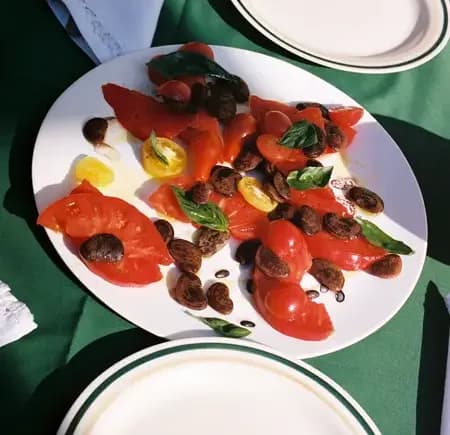
Vitele's menu changes with each Touët-sur-Var delivery. Ask what came in that morning and order that instead.
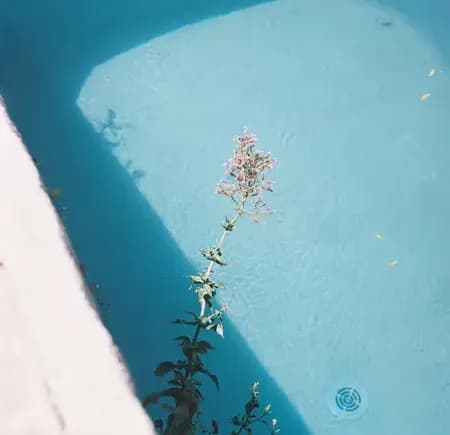
The terraced lap pool empties by late afternoon. One hour of city views and still water before the light goes.

No televisions means evenings go to the library. Bring a real book. One warm layer for cloister dinners, which cool fast after dark.
Where you'll be
A few notes on your visit.
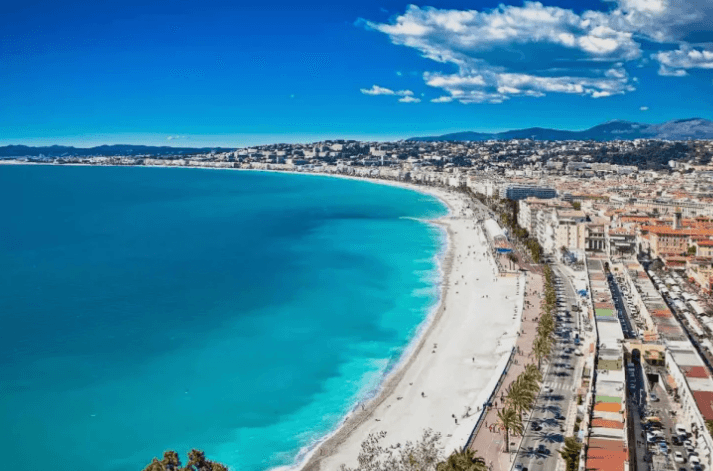
A stay at Hotel Du Couvent places you in the heart of Nice.
The hotel boasts a beautifully restored 17th-century architecture.
The hotel is a quiet and serene refuge from the city's hustle and bustle.
The hotel offers an intimate and personal experience.

The best stays aren’t a click away. Exclusive to our community just reach out and we’ll arrange it just for you
Founder’s Note
THE PINK NOTEBOOK VERDICT
Your taste already has an address