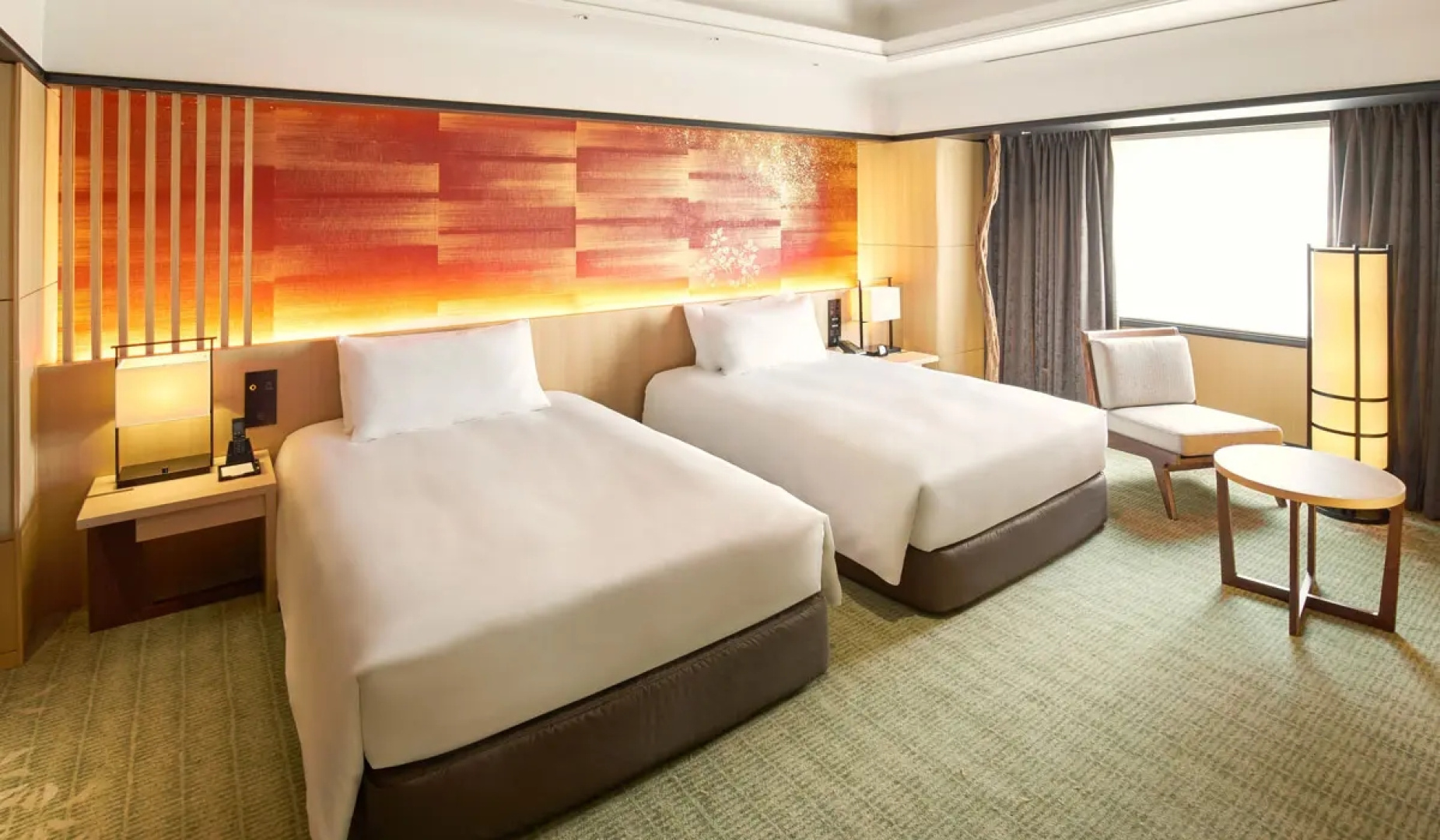
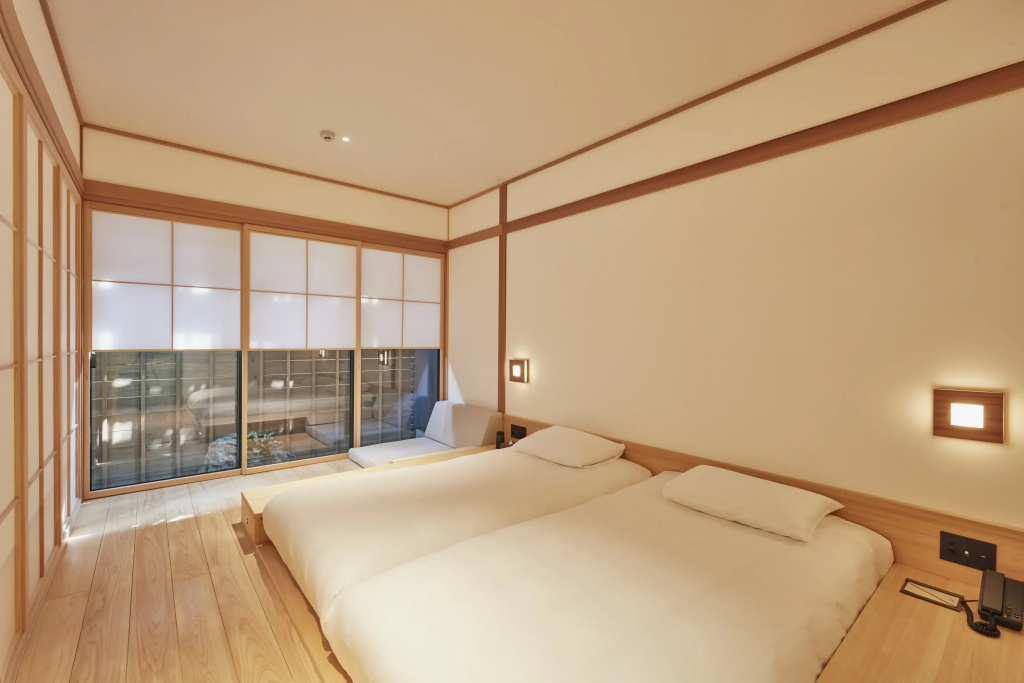
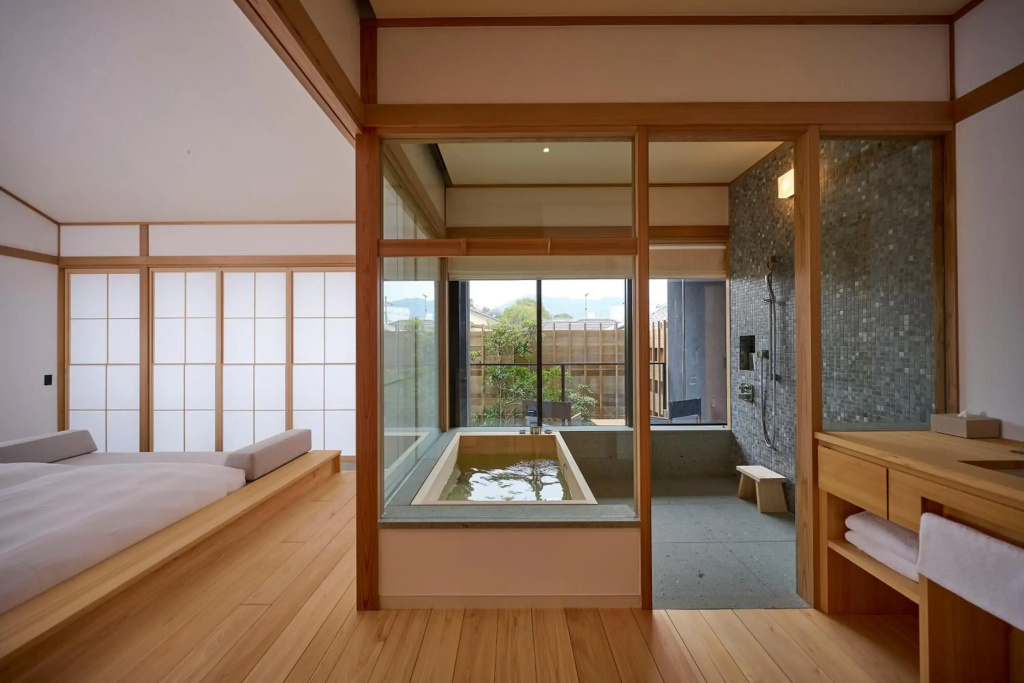
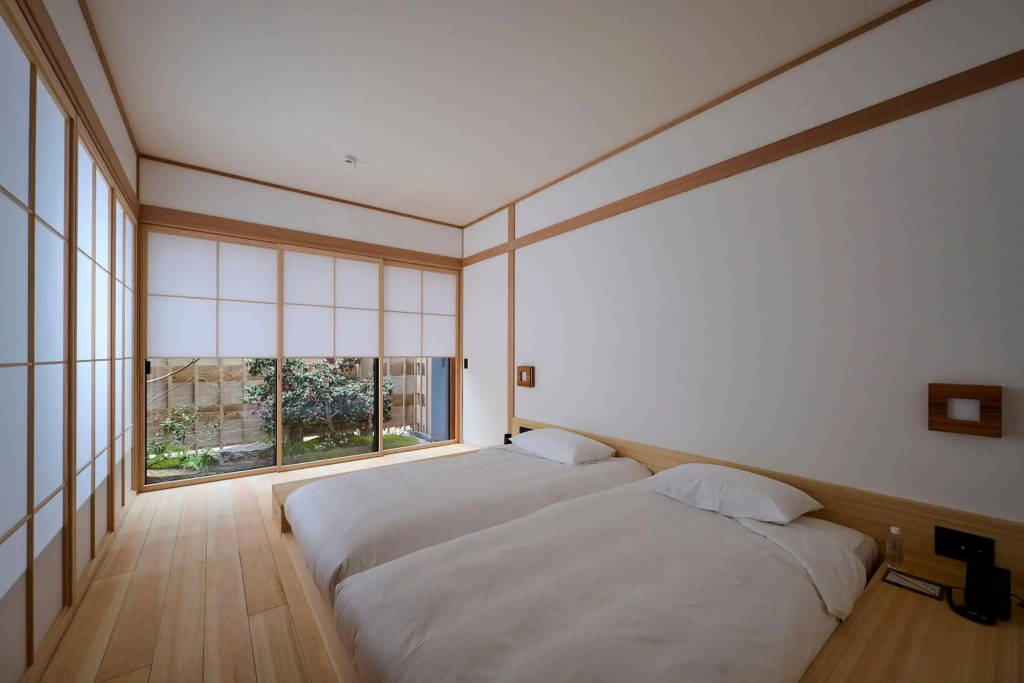
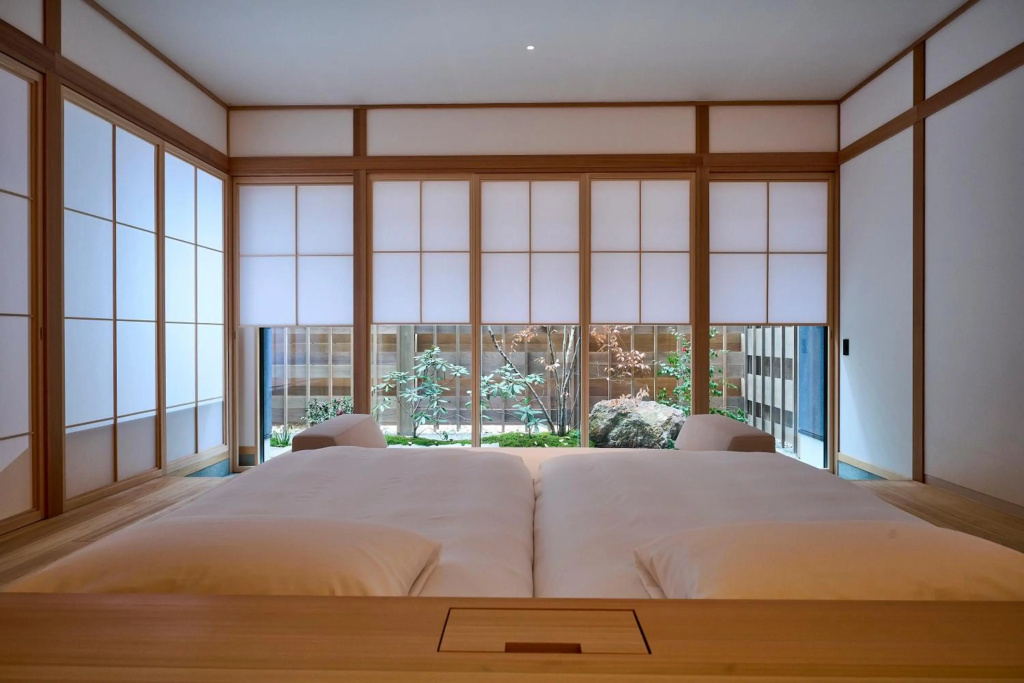
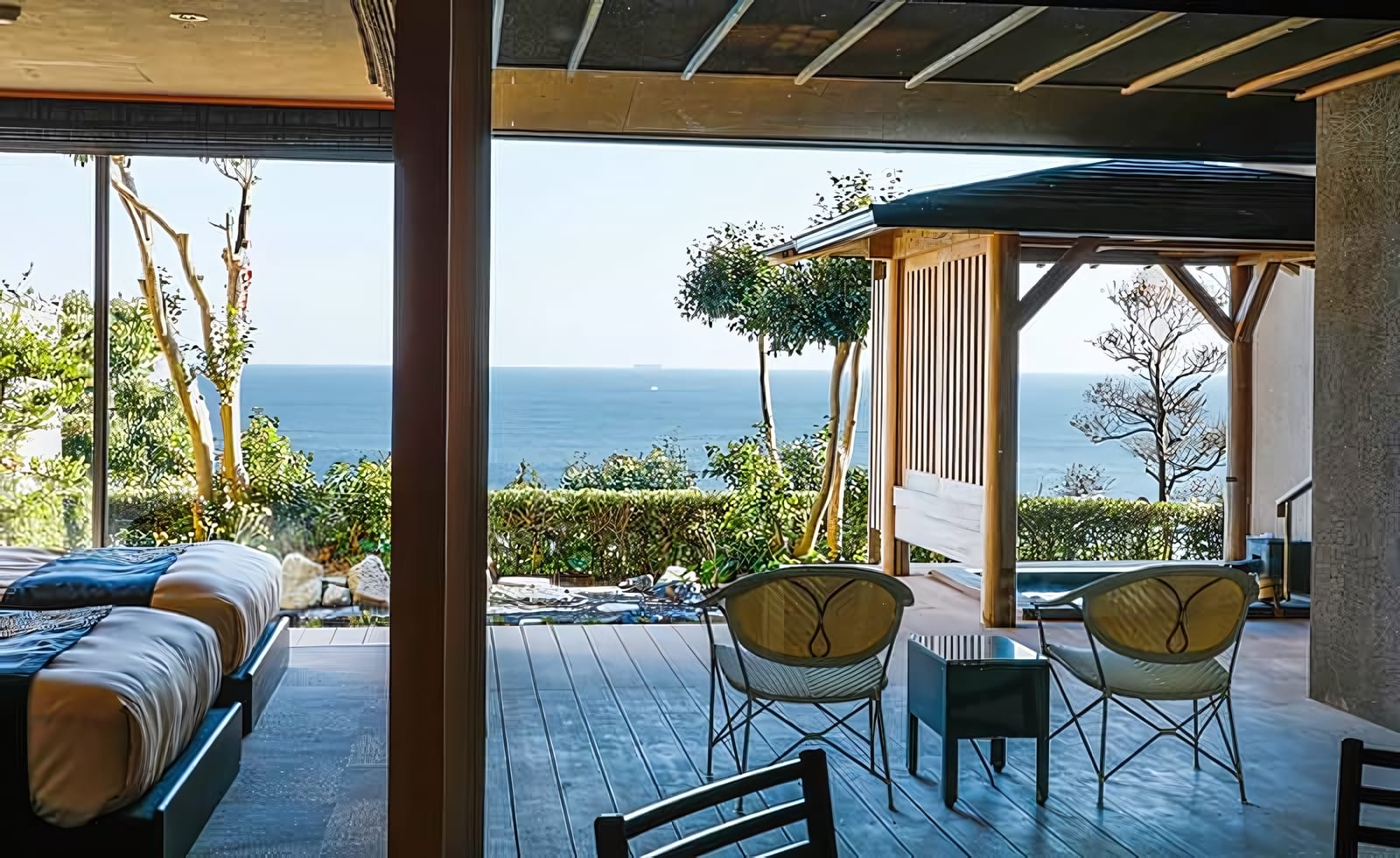
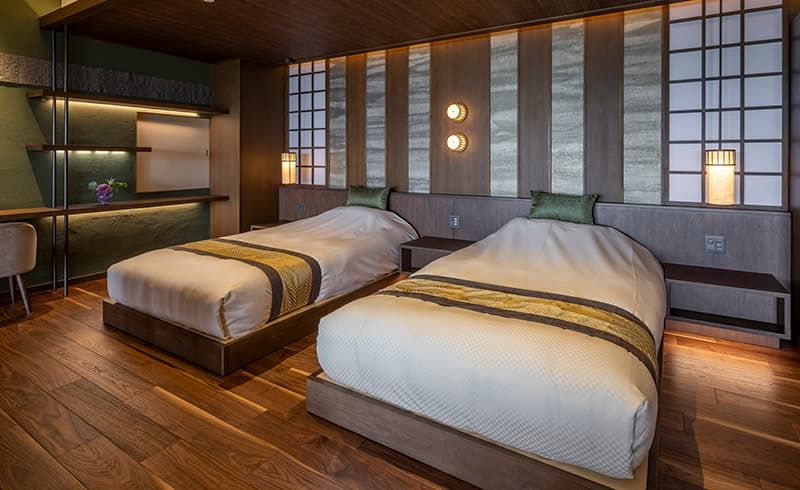
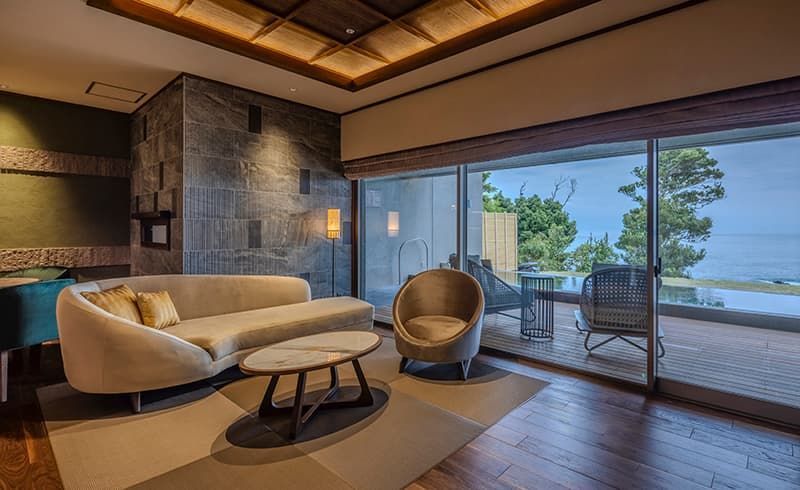
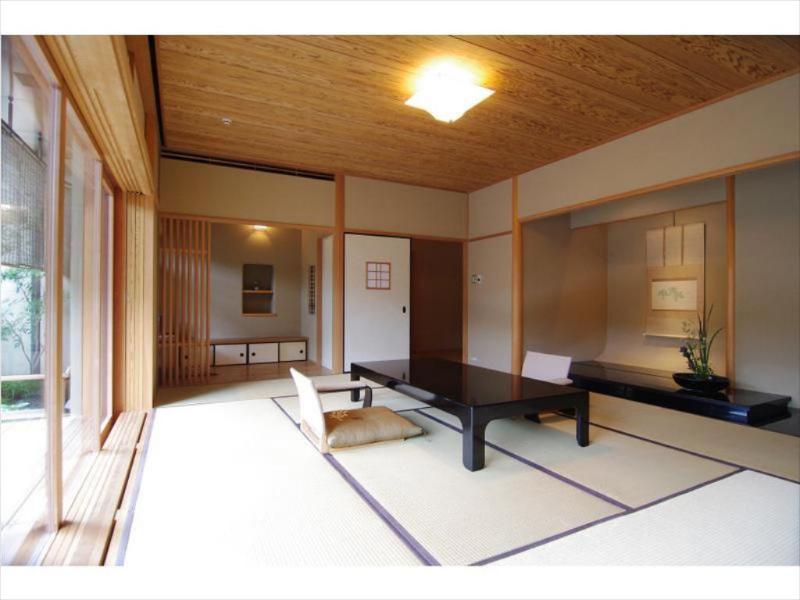
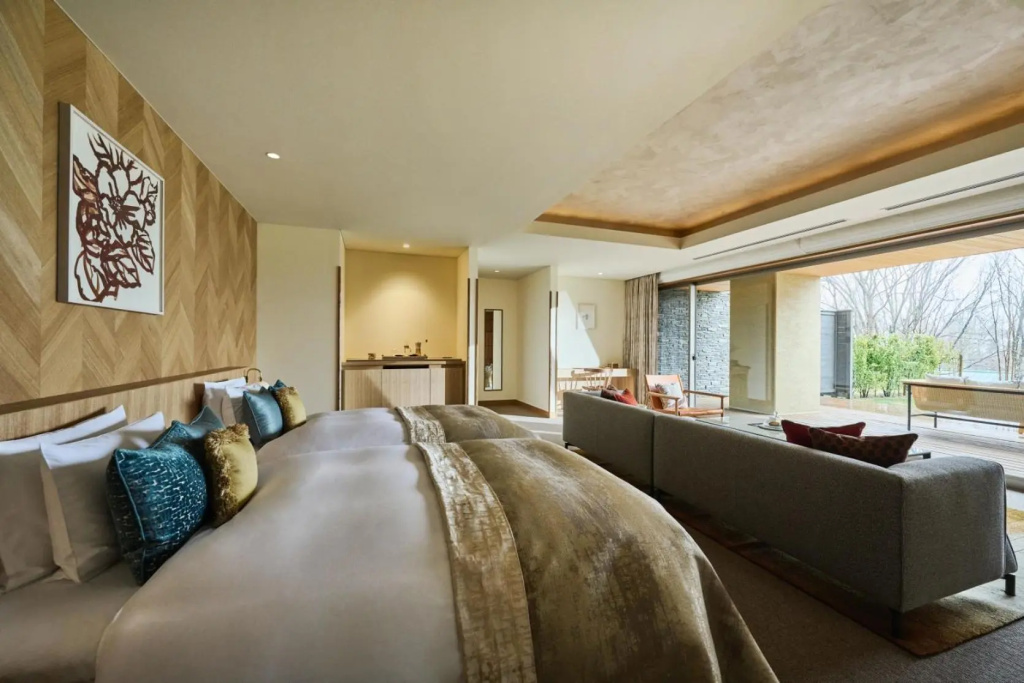
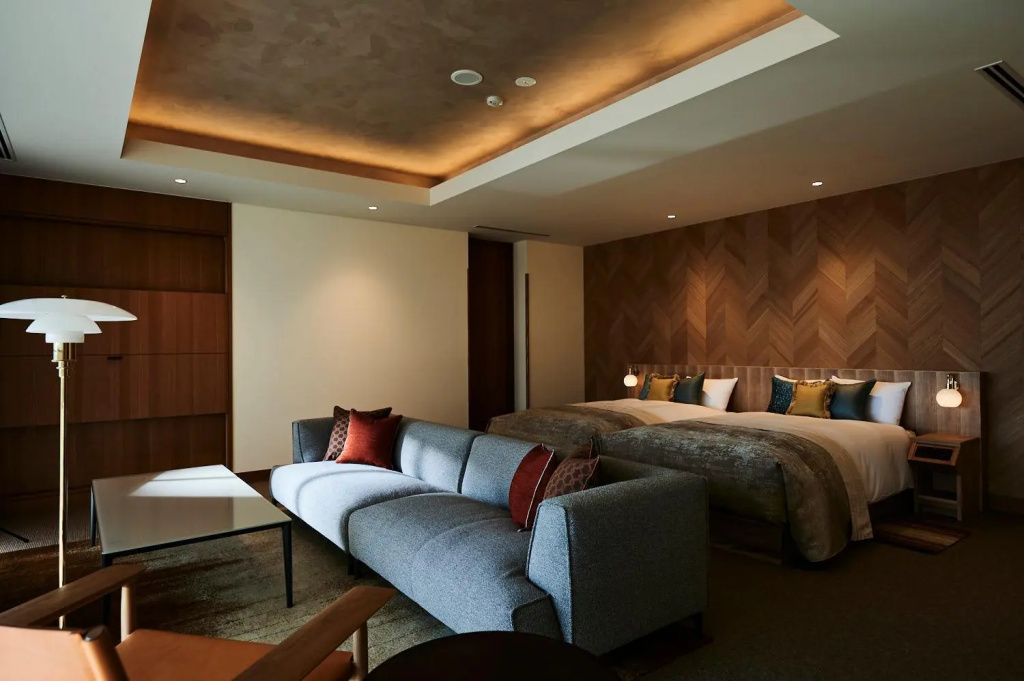
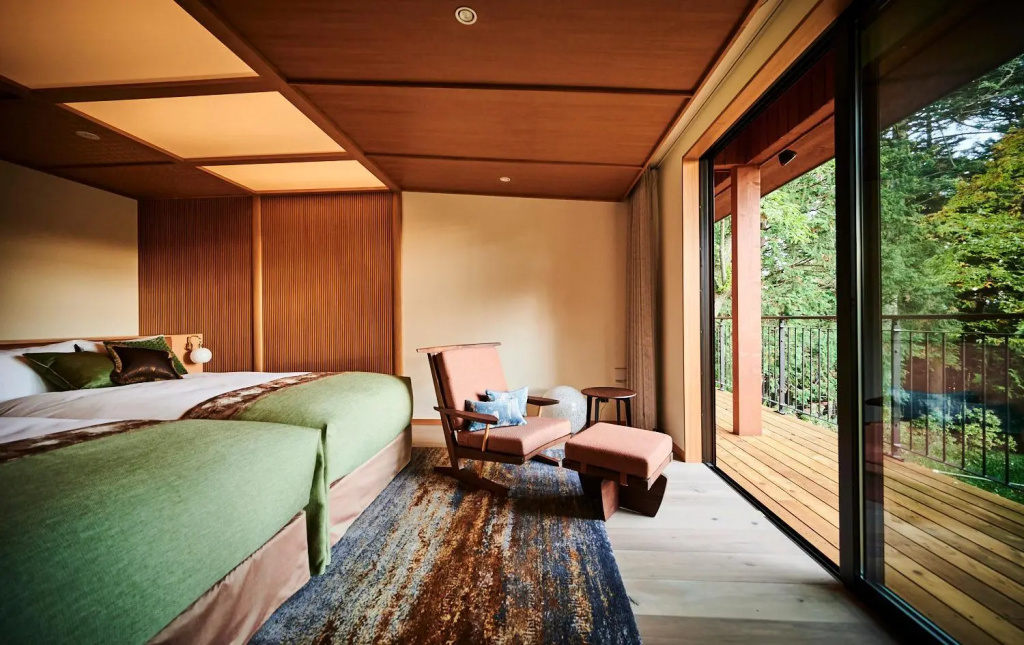
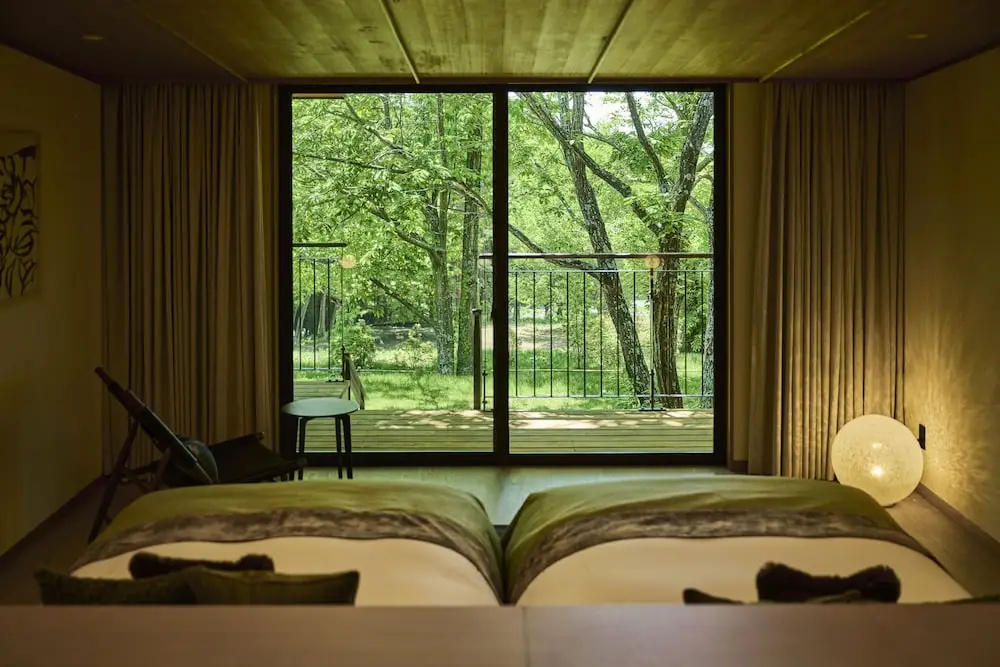
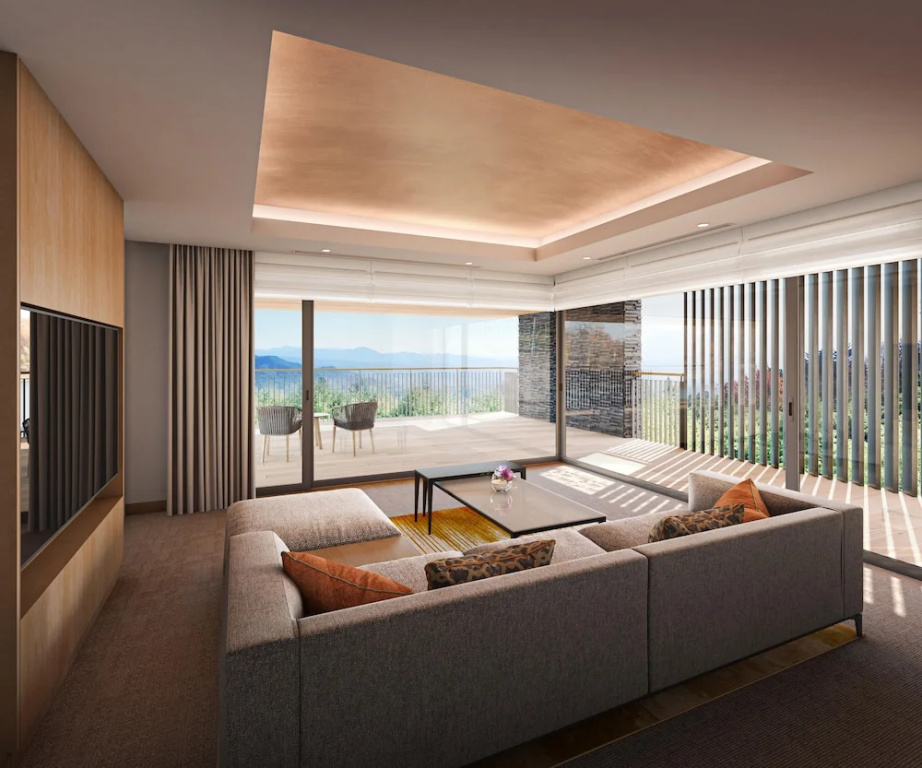
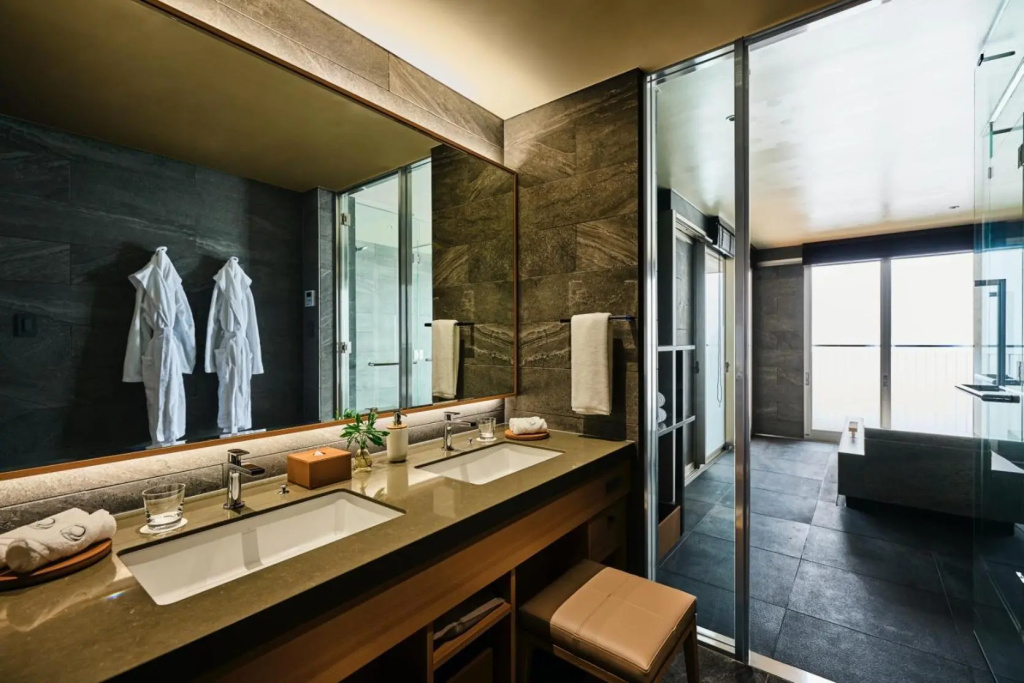
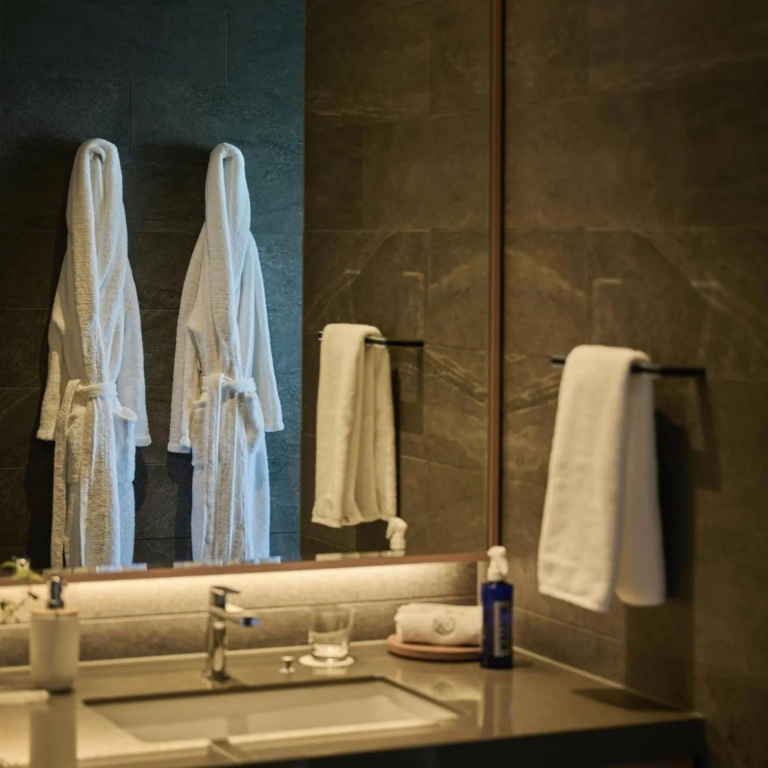
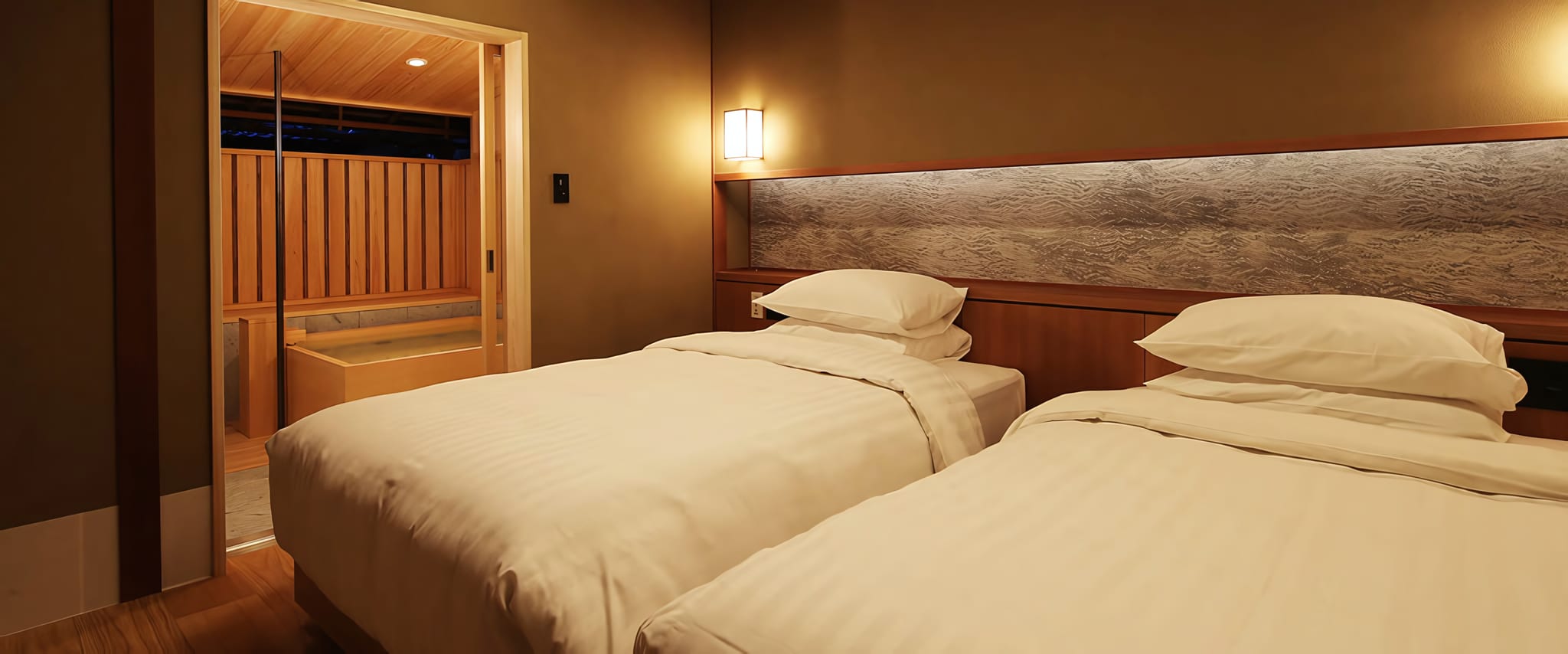
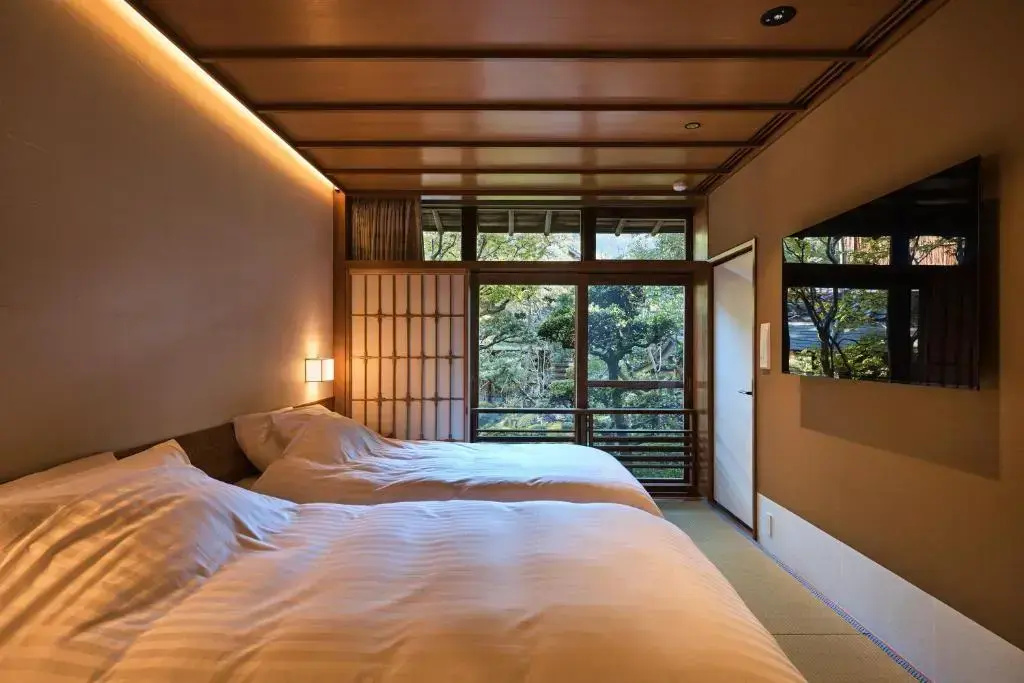
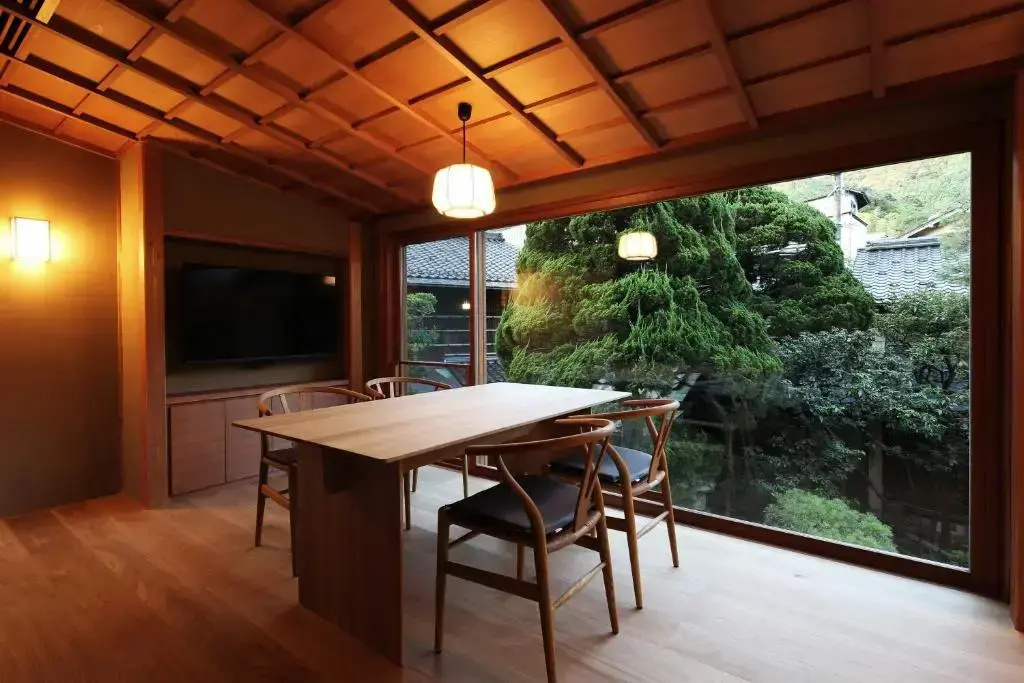
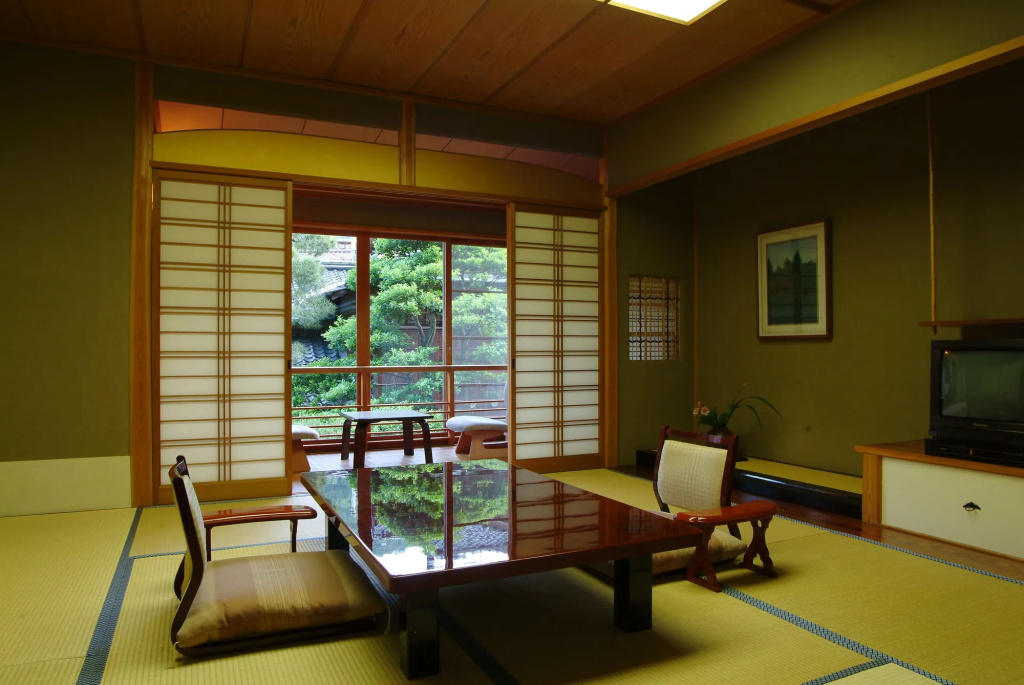
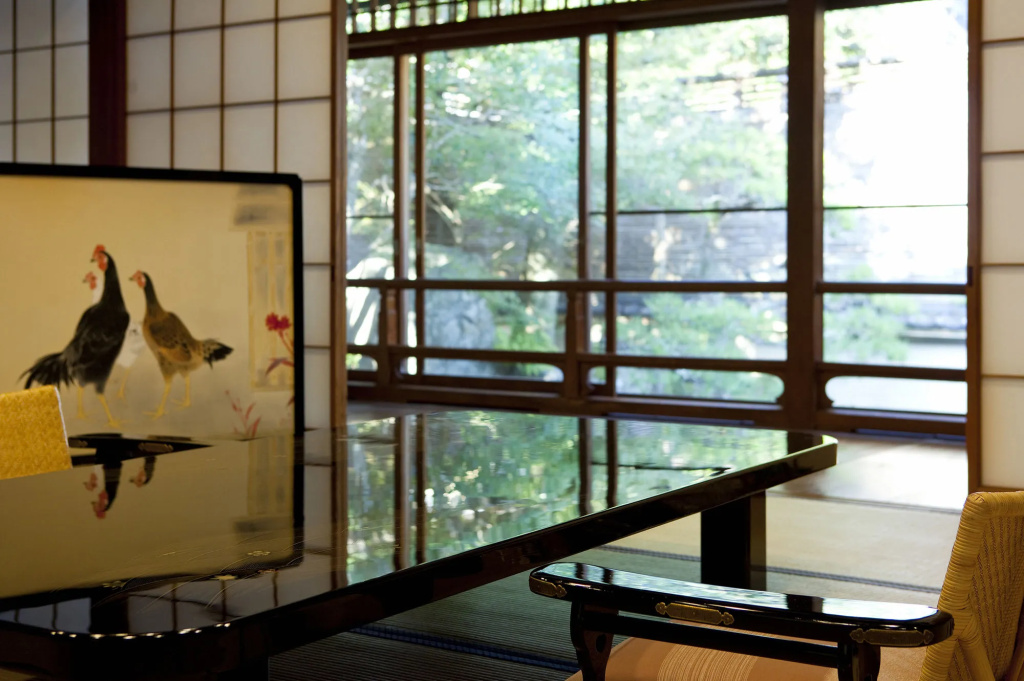
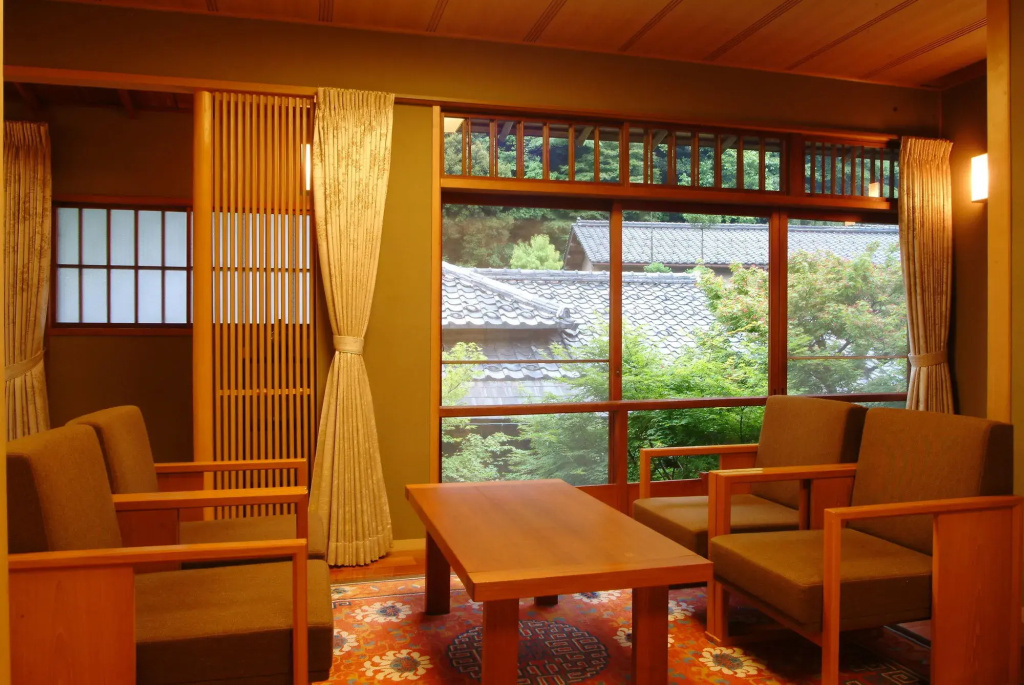
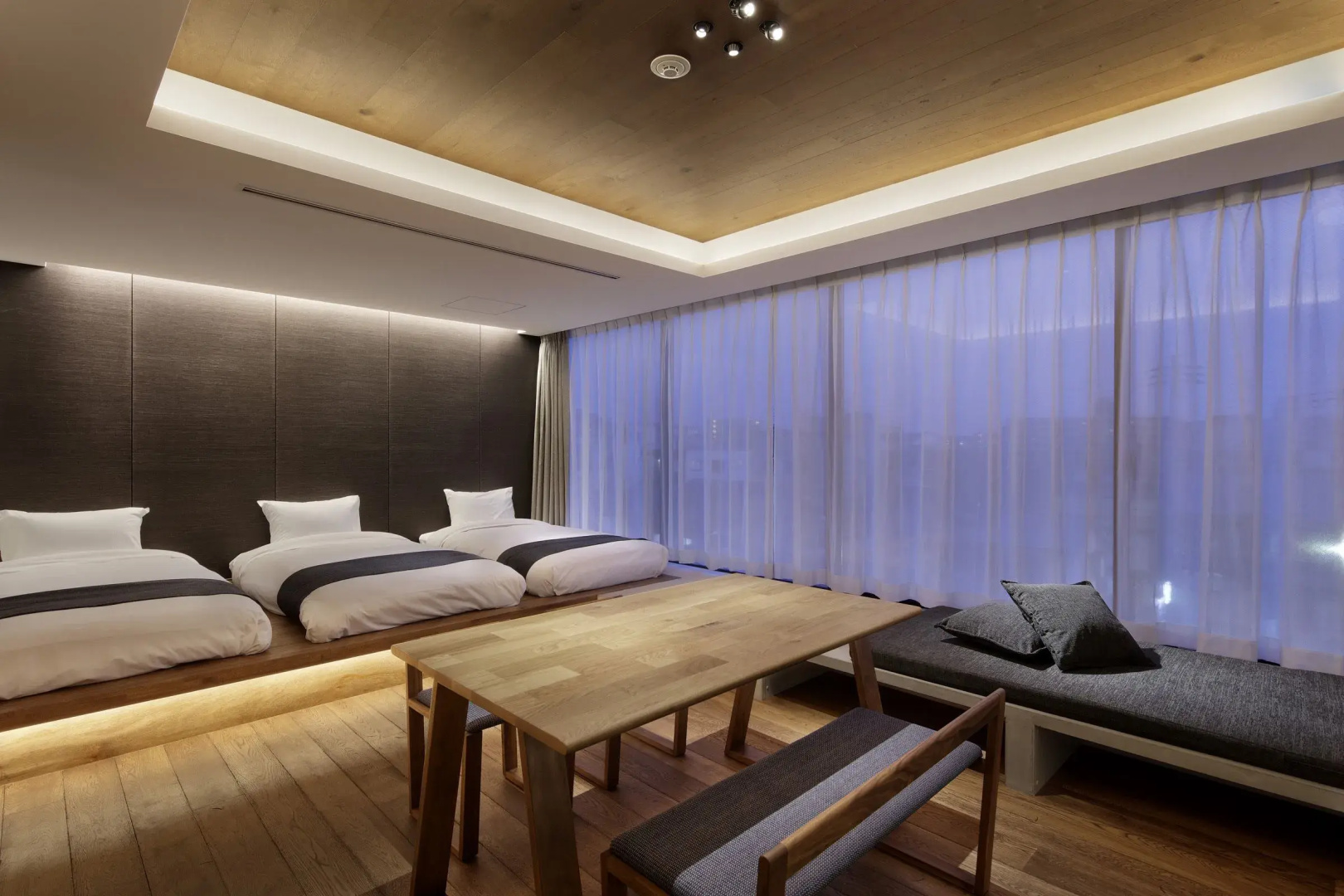
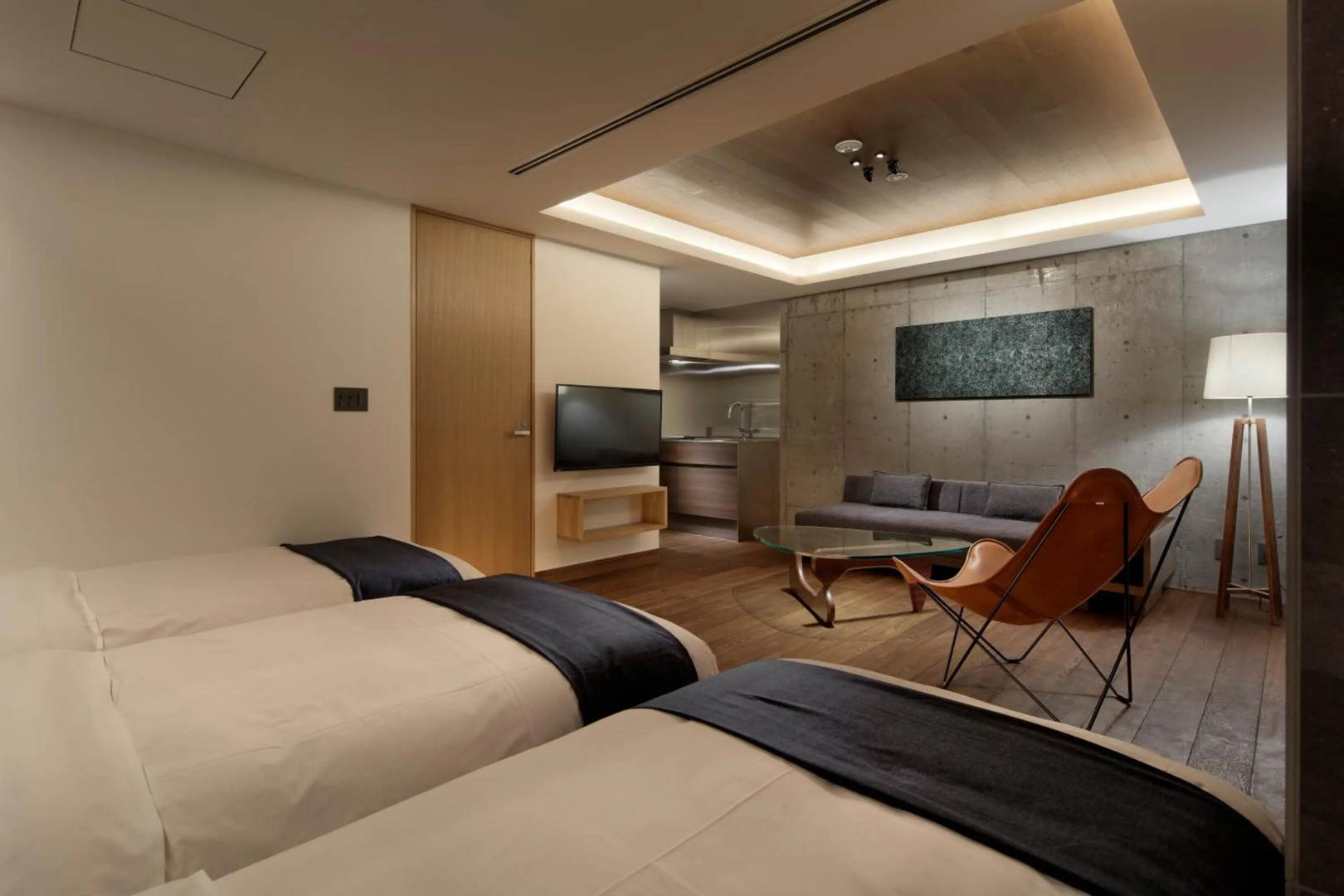
Deluxe Room
463 sq.ft • City View
From $695.51


5 star
THE PINK NOTEBOOK VERDICT
Four Seasons Hotel OSAKA
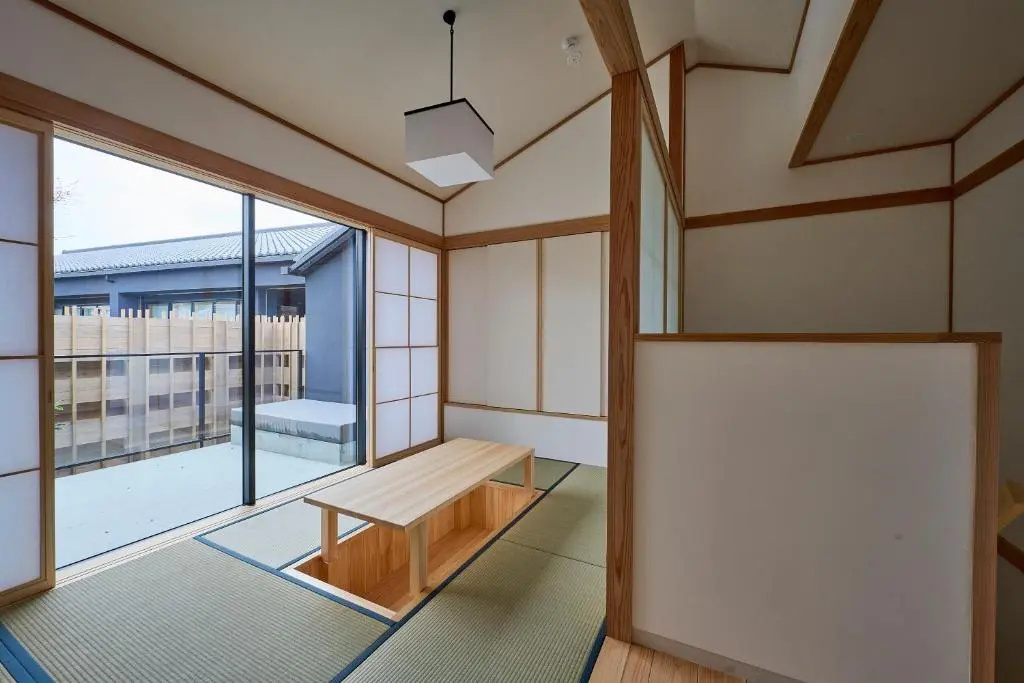
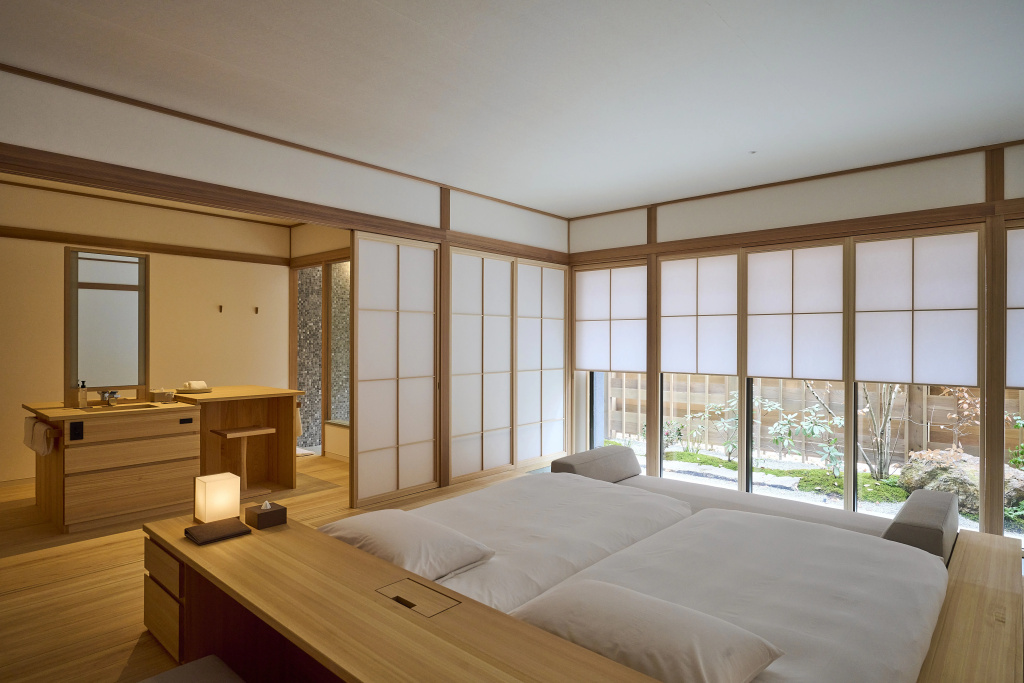
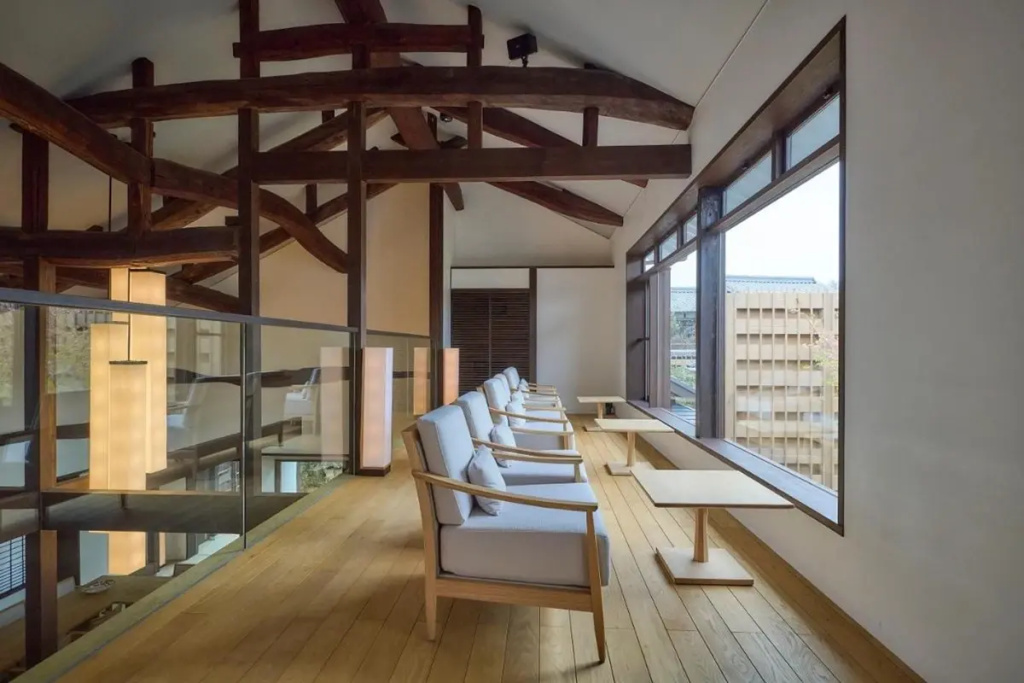
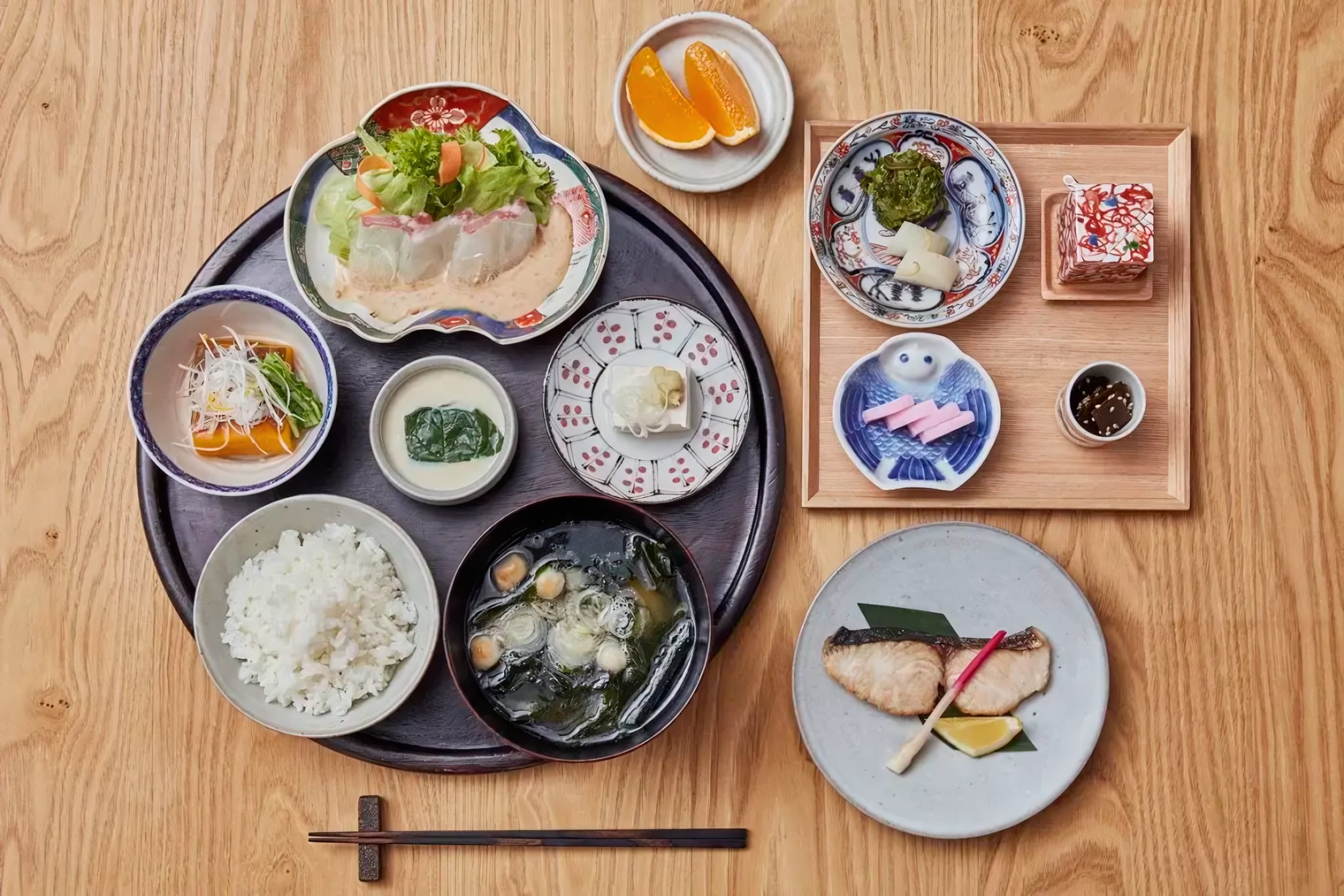
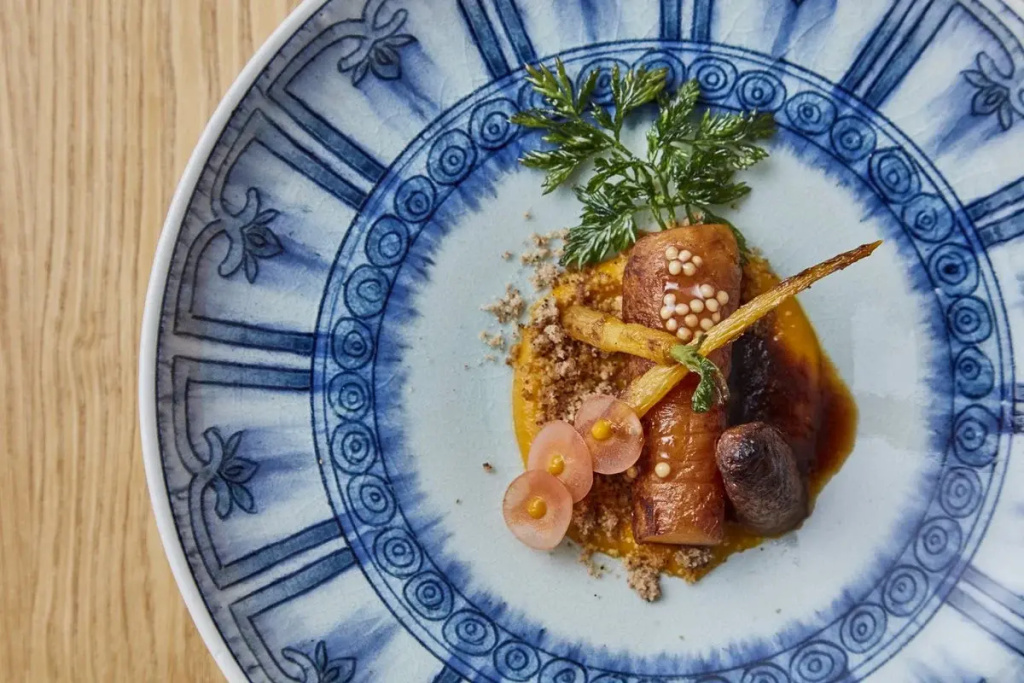
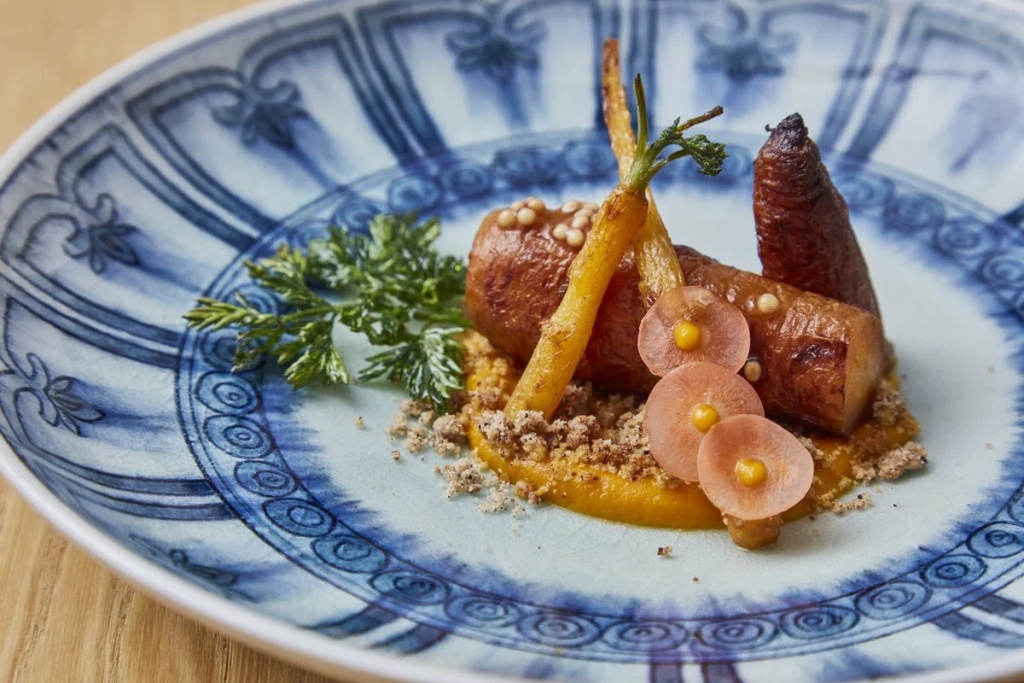
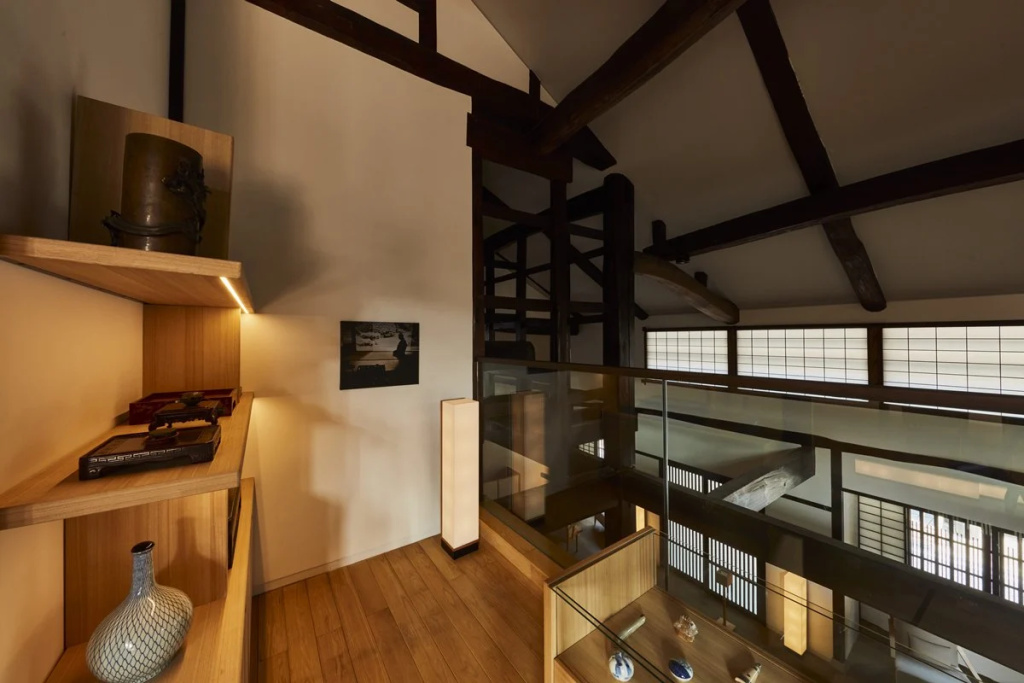
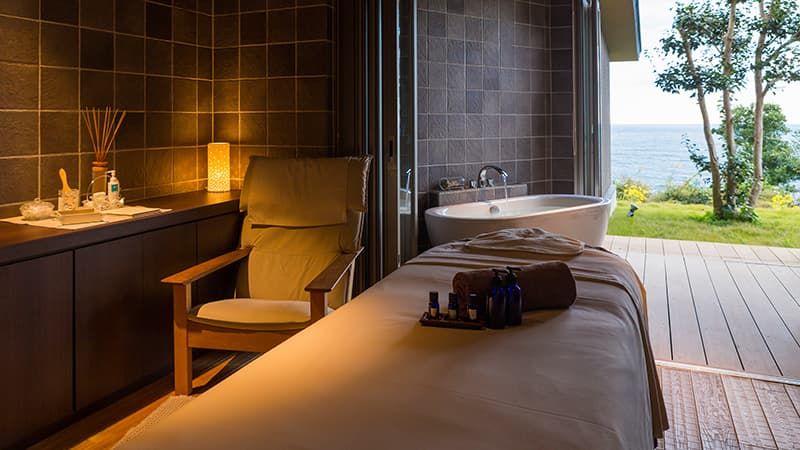
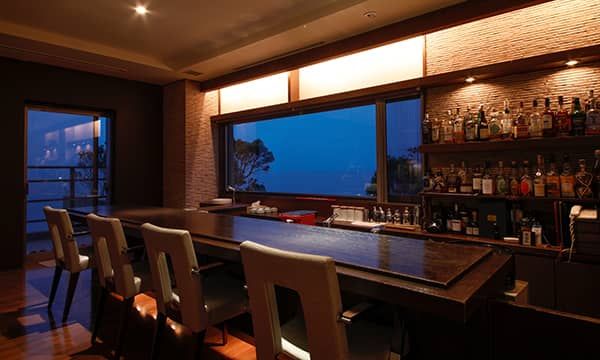
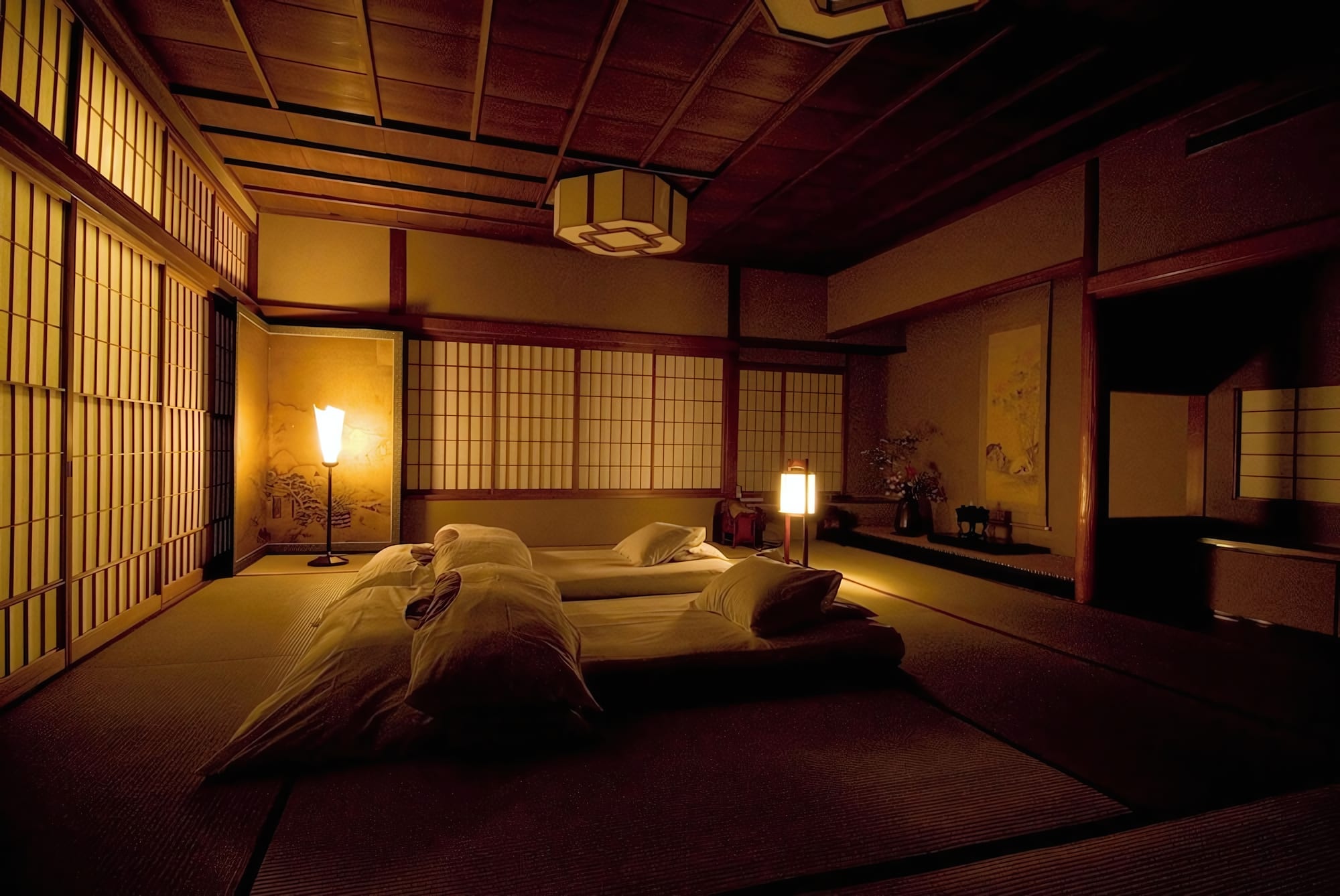
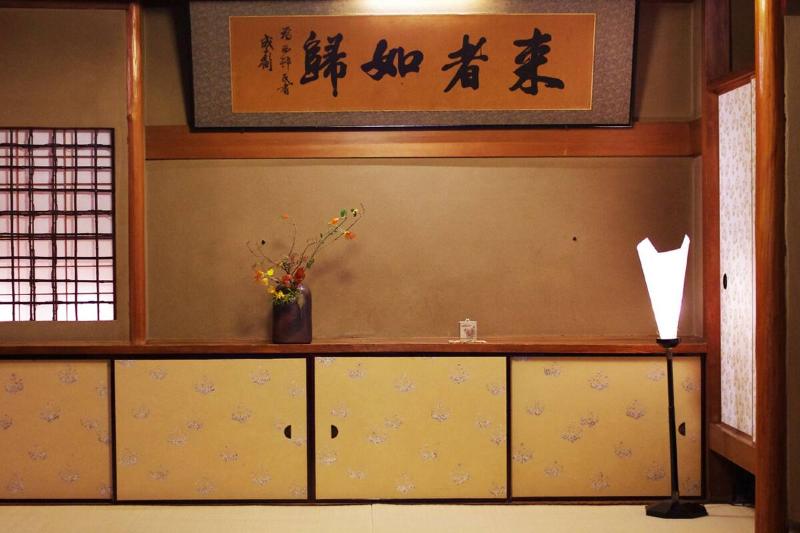
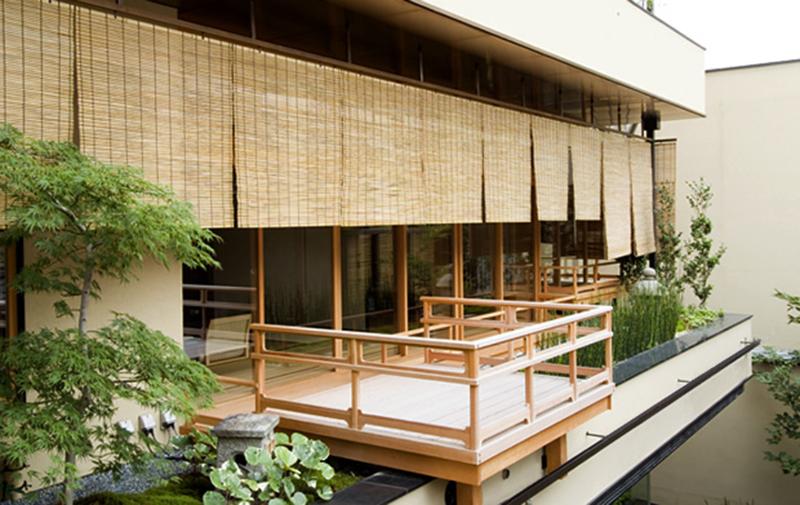
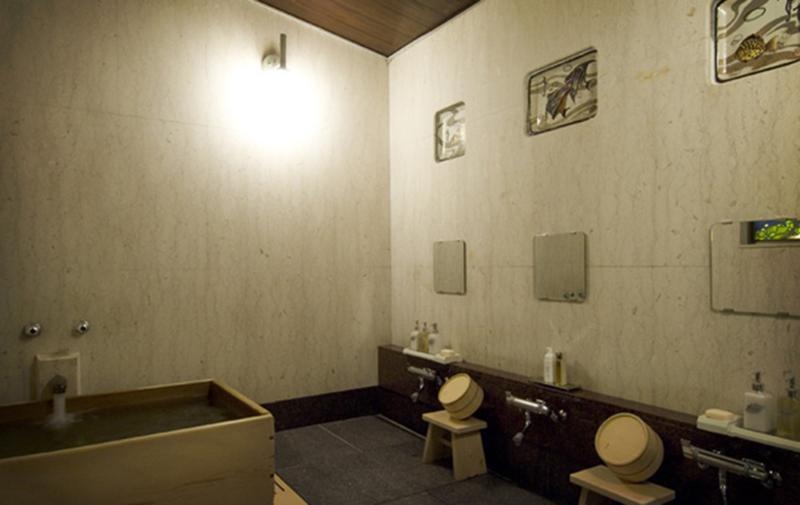
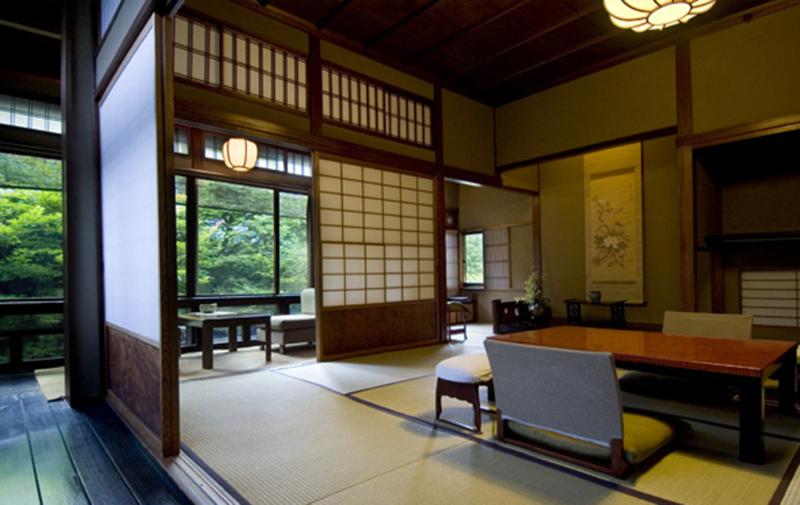
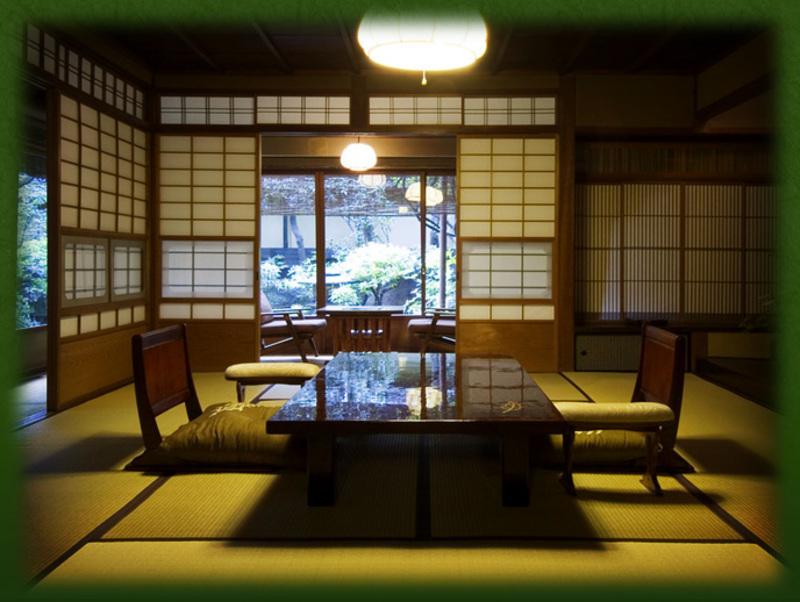
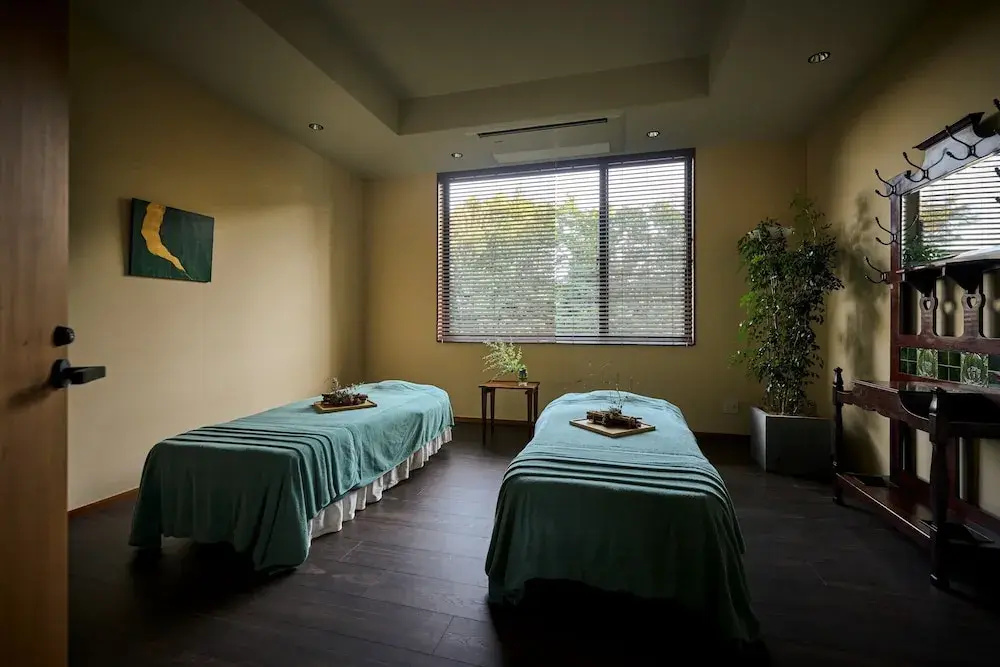
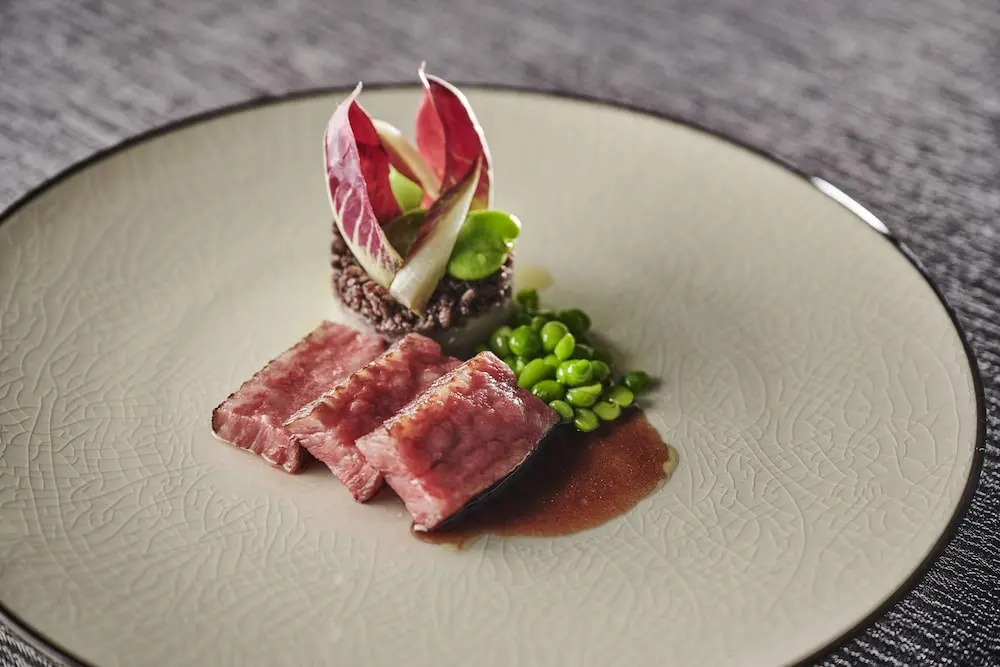
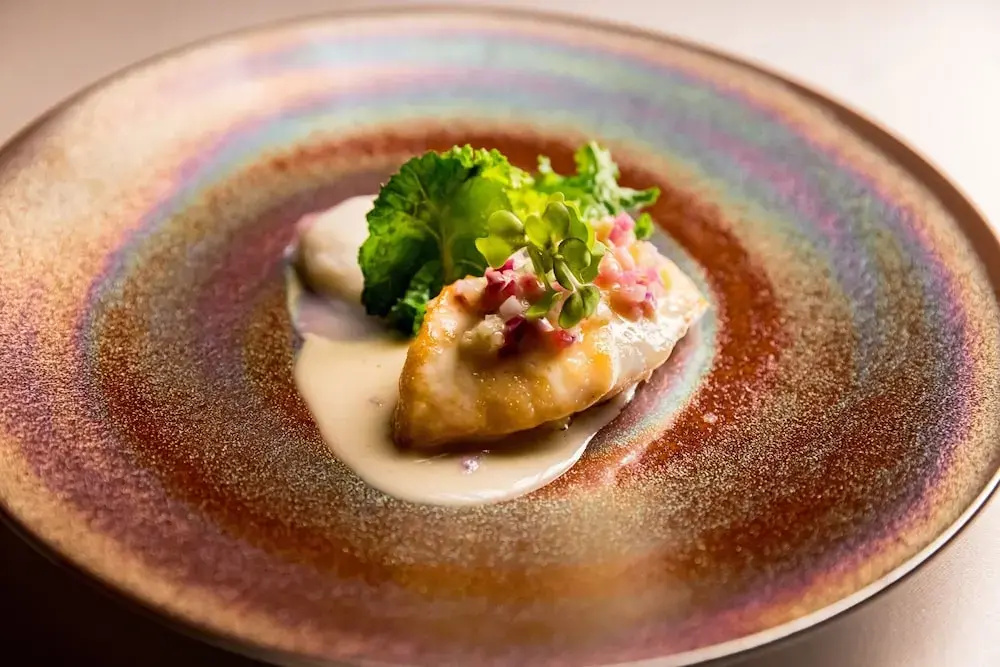
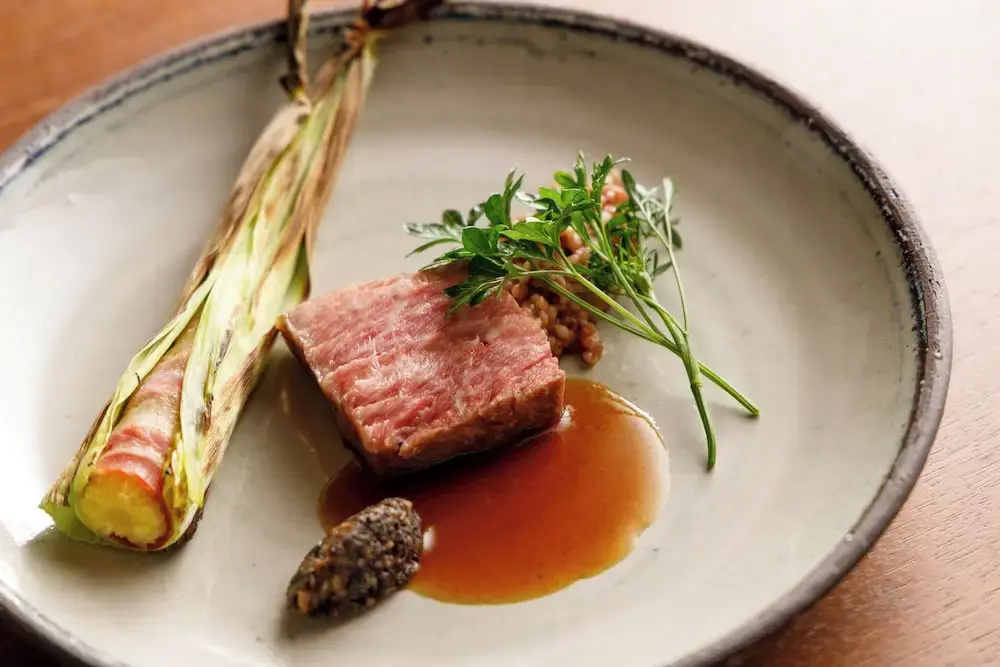
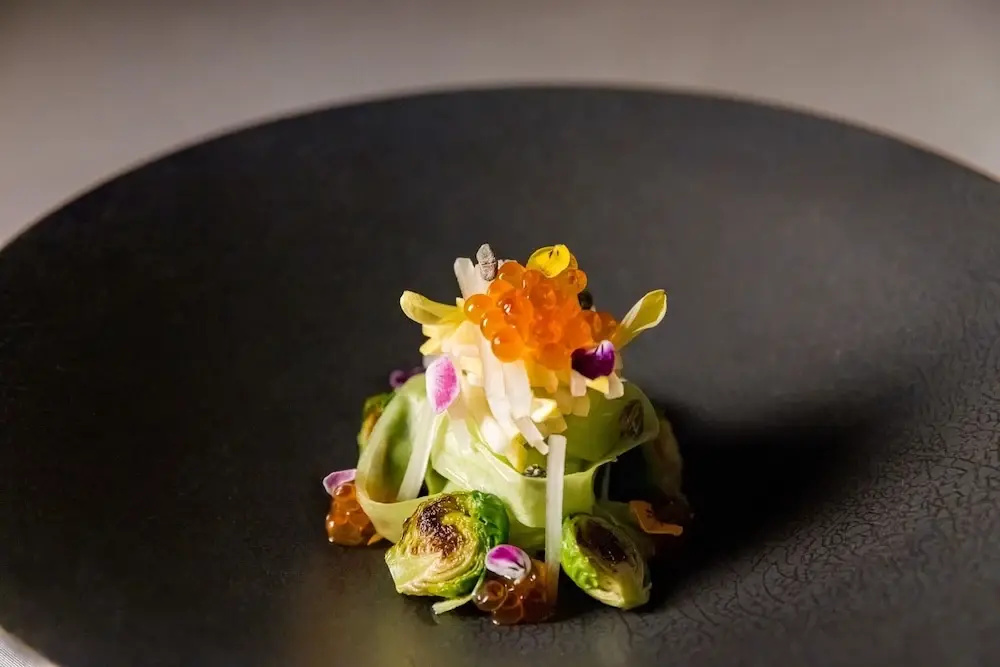
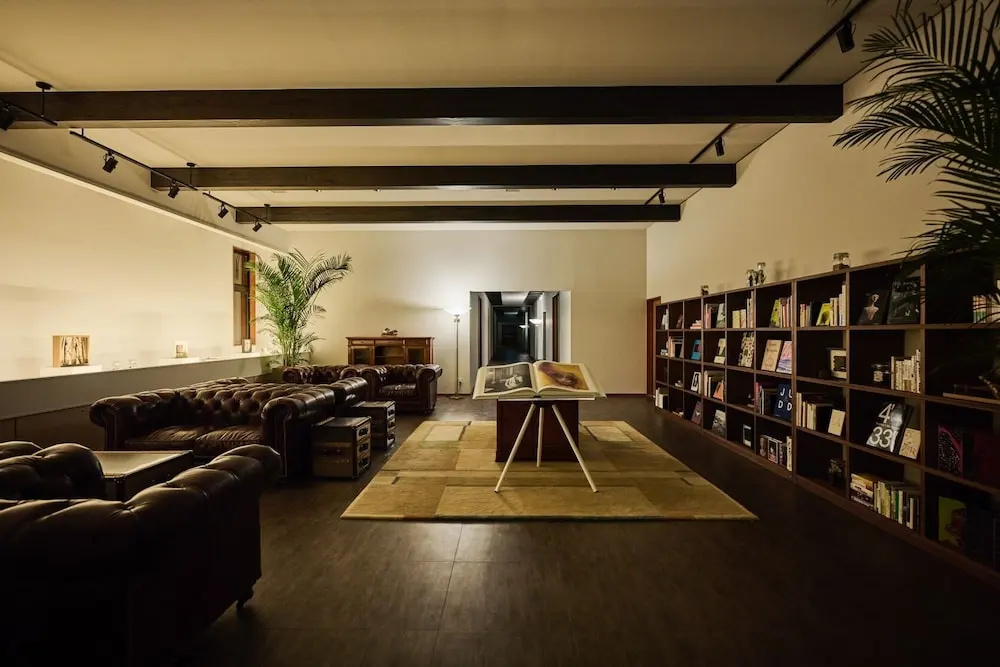
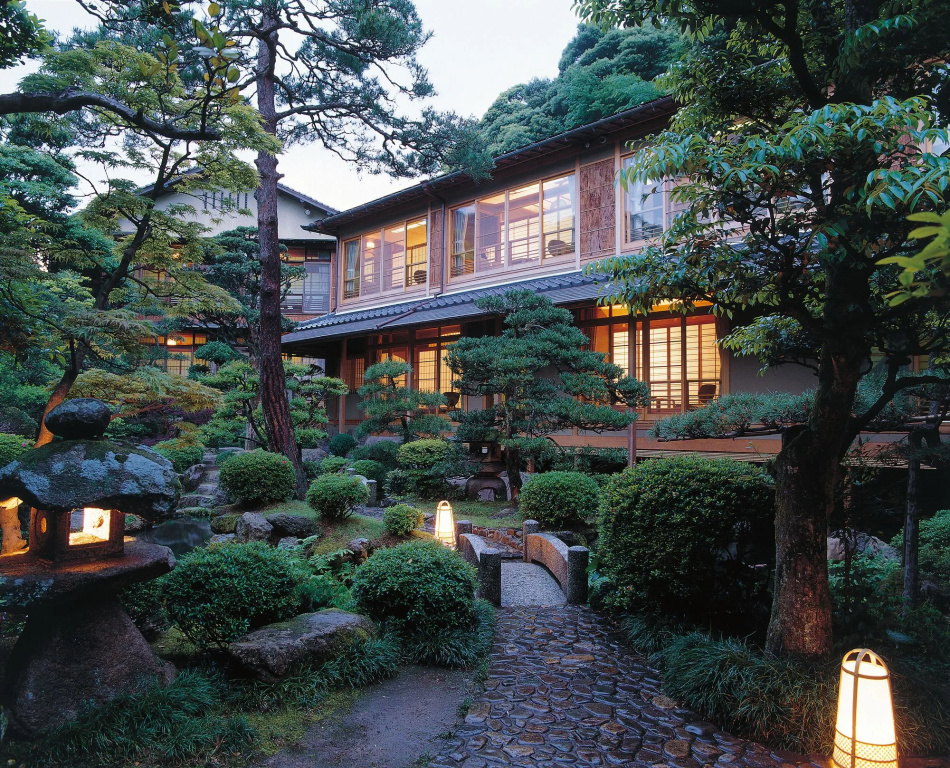
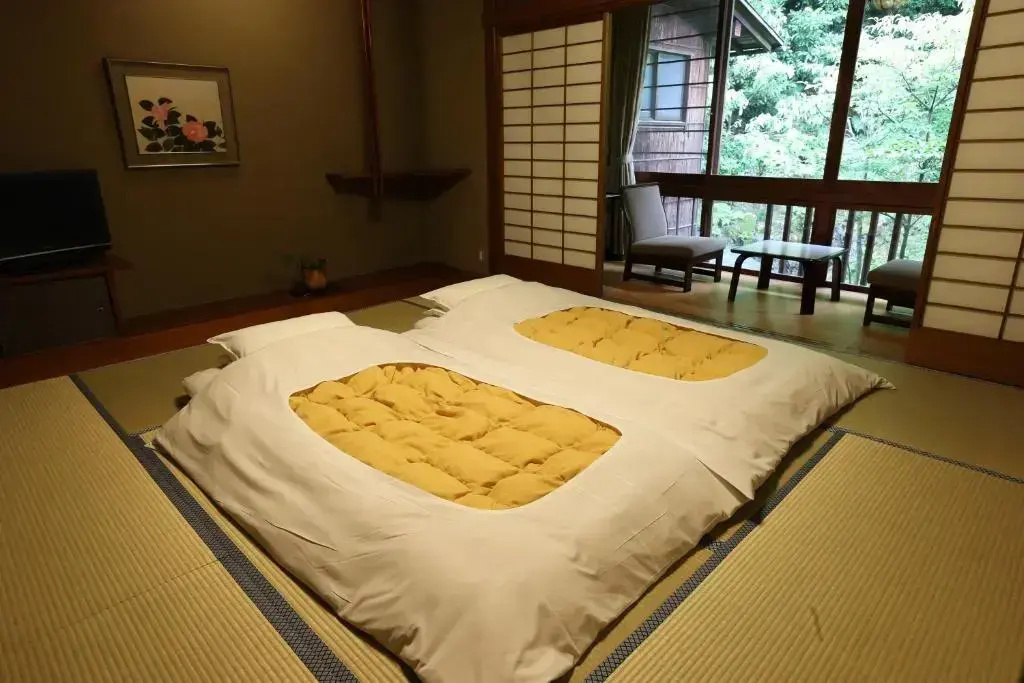
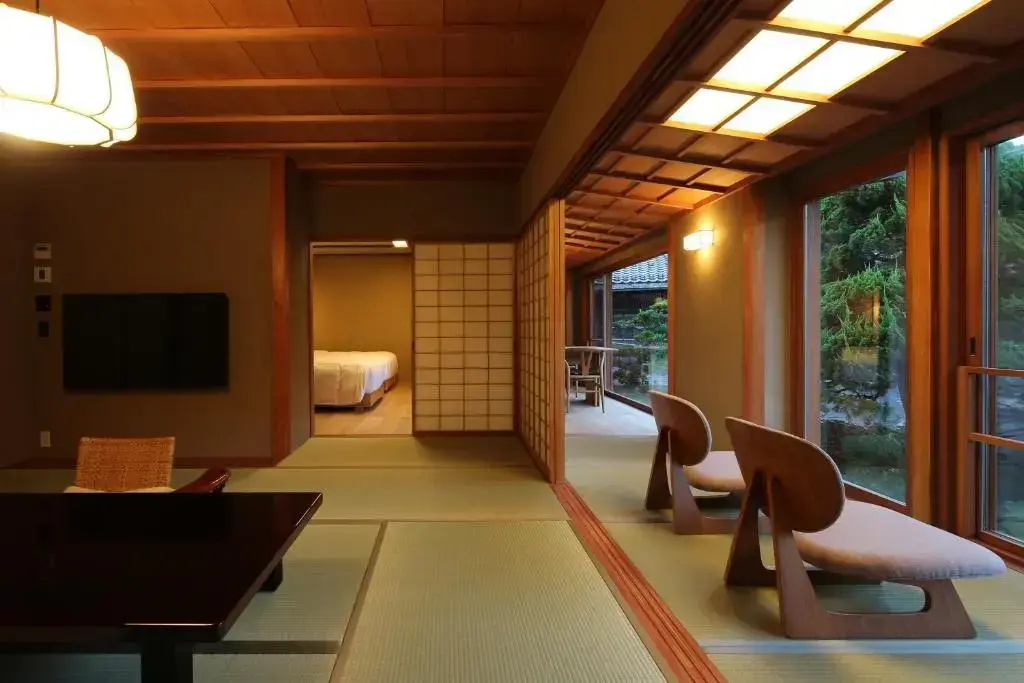
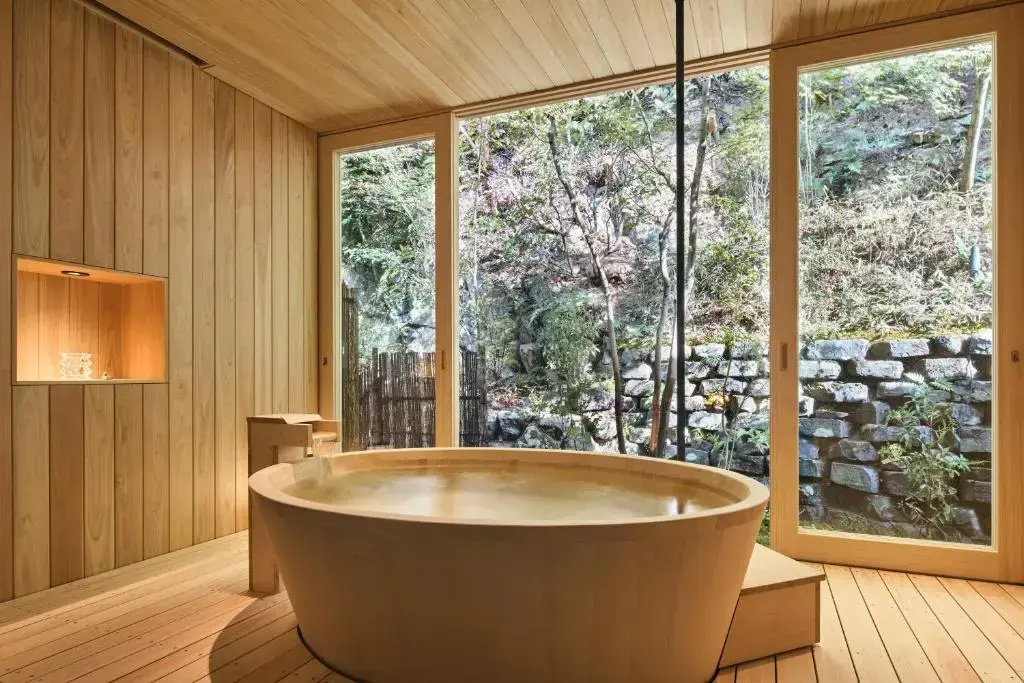
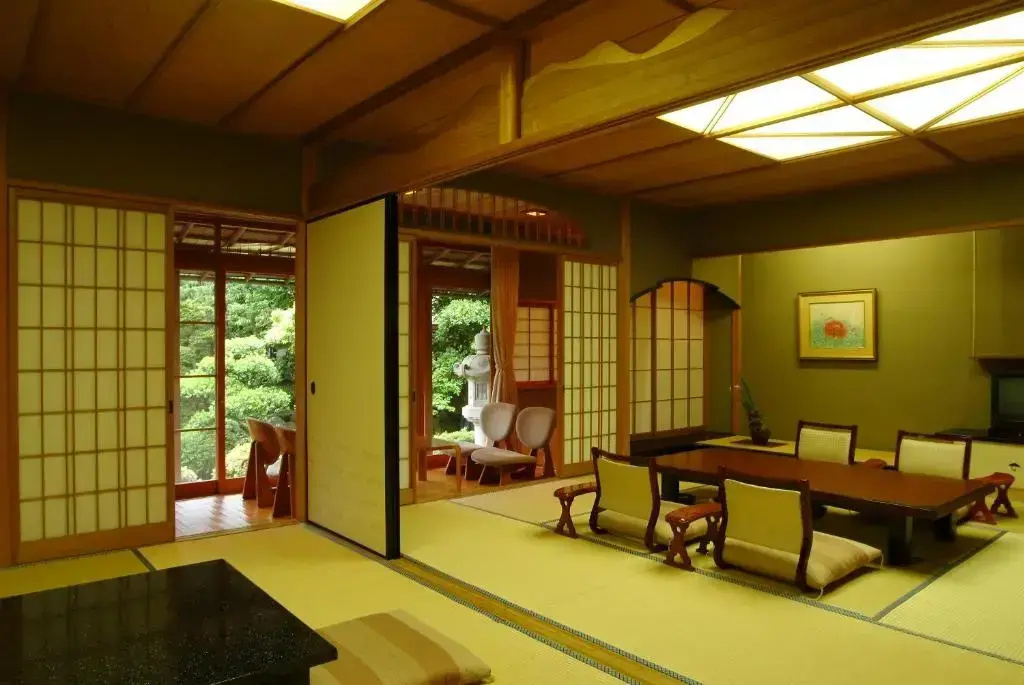
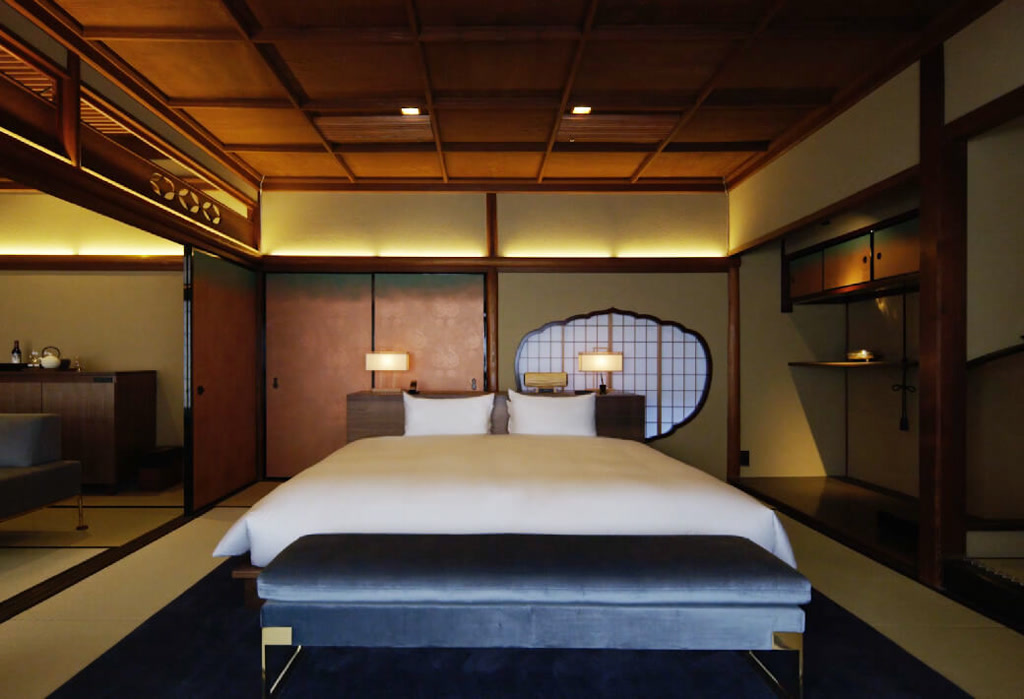
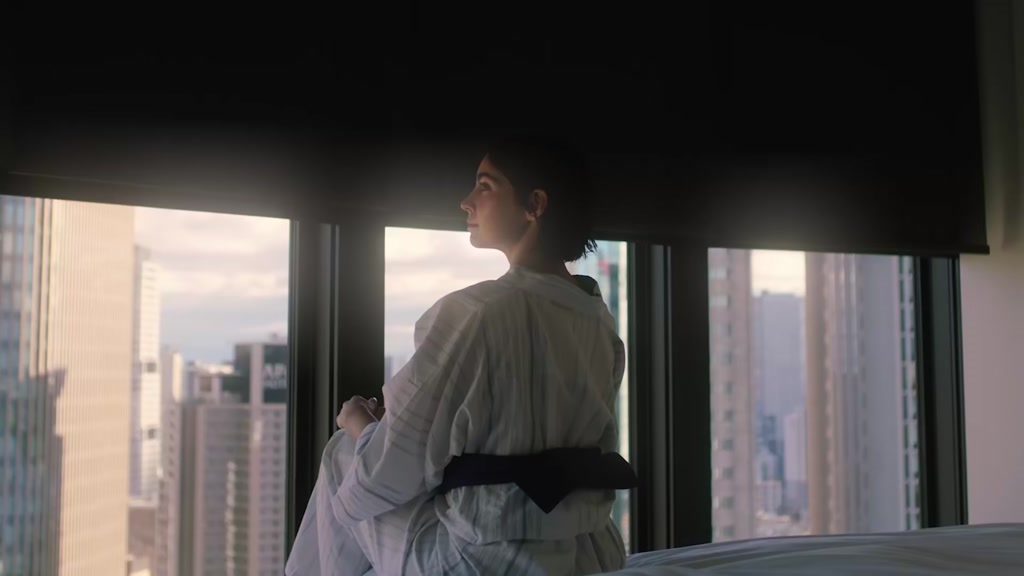
Housed on the upper third of One Dojima, a glass tower rising over Kita-ku and designed by the Tokyo firm Nikken Sekkei, Four Seasons Hotel Osaka opened its doors on 1 August 2024, close enough to Osaka Station and the Umeda transit hub to reach on foot, in a Dojima neighbourhood still better known for its small cafes and unmarked bars than for five-star hotels. The 175 rooms and suites run from the 28th to the 35th floor, every one with a view over the city or the Dojima and Yodo rivers, and the hotel arrived as the group's third address in Japan, timed to catch the wave of visitors Expo 2025 was expected to bring through Osaka the following spring. It is run, as of June 2026, by general manager Gianni Costa, who grew up in St Moritz, trained as a young hotelier at the Dolder Grand and Baur au Lac in Zurich, and arrives in Osaka after postings in Hong Kong, Bali and Hangzhou. Interiors are the work of three separate Japanese studios rather than one signature name: CURIOSITY and Design Studio Spin across the main guest floors, and SIMPLICITY for GENSUI, the 28th floor set aside for a contemporary ryokan experience, where 21 rooms and suites trade the roll-out futon for a low platform bed, lay tatami into the floor plan, and come with their own check-in desk and their own tea lounge, Sabo, for evening sake and morning bento. The remaining 154 rooms and suites, on floors 29 to 35, keep to natural wood and stone and are hung with a contemporary art collection curated by Fumio Nanjo. Food and beverage runs through director Sebastian Gassen and executive chef Paolo Pelosi: Jiang Nan Chun, on the 37th floor, serves Cantonese cooking under a soaring ceiling with the Osaka skyline behind it; Bar Bota, also on 37, is built around a circular bar and pours cocktails from head bartender Andrei Marcu using Japanese whiskies and gins; and the hotel's sushi counter now runs in partnership with the French chef Yannick Alléno as Sushi L'Abysse Osaka, folding a French sensibility into an otherwise traditional omakase. Jardin covers steadier ground with an international breakfast, an afternoon tea, and French bistro plates in the evening, while Farine, the bakery, and CHA, the tea room, are on the ground floor. The Spa at Four Seasons takes the entire 36th floor, with five treatment rooms, ofuro baths, saunas and a 16 metre indoor pool. What Four Seasons Hotel Osaka feels like, more than anything, is two hotels stacked on top of each other. GENSUI is unhurried by design, tea on arrival, shoes left at the door, a low platform bed standing in for the traditional futon roll, and it is the reason to choose this address over the group's other hotels in Japan. The 154 rooms on the floors above are handsome and competent, not the kind of interior that pulls you into spending an afternoon in the room instead of out in the city, but the views over the Dojima and Yodo rivers do a good deal of that work on their own. It suits business travellers who need a serious hotel near Osaka's main station as much as it suits leisure travellers curious about a ryokan stay without the floor mattress, and it suits anyone who takes dinner seriously, given Jiang Nan Chun's Cantonese cooking and a sushi counter now guided by Yannick Alléno. You should not come here for old Osaka, for the low wooden shopfronts of Horie or the postwar grain of Shinsekai; this is a hotel inside a glass tower that opened in 2024, and it looks and runs like one. You should not come expecting the standard floors to match GENSUI's sense of occasion, since the two experiences are not equivalent and the hotel does not pretend otherwise. You should come for a Cantonese dinner with a skyline instead of a garden, for a sushi counter doing something more unusual than most hotel omakase in the city, and for a version of a ryokan stay that keeps the ritual and drops the discomfort of sleeping on the floor. The short version: A 175 room hotel across the top of the One Dojima tower in Kita-ku, opened in August 2024, split between a 21 room contemporary ryokan floor designed by SIMPLICITY and more conventional accommodation above, with Cantonese cooking at Jiang Nan Chun and sushi under Yannick Alléno on the 37th floor.


Can't find it? Reach out for insider rates and effortless bookings.


What to Know Before You Go

Ask for the GENSUI check-in even if you're on a lower floor; the tea and shoe ritual frames the whole stay differently.

Walk the river path behind the hotel before breakfast, when the joggers outnumber the tourists and the light off the Dojima river is worth more than the view from your room.
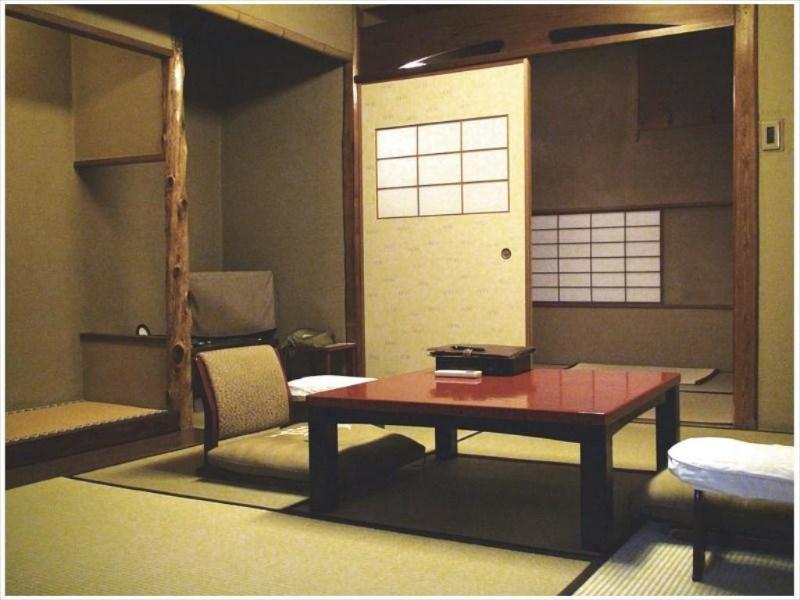
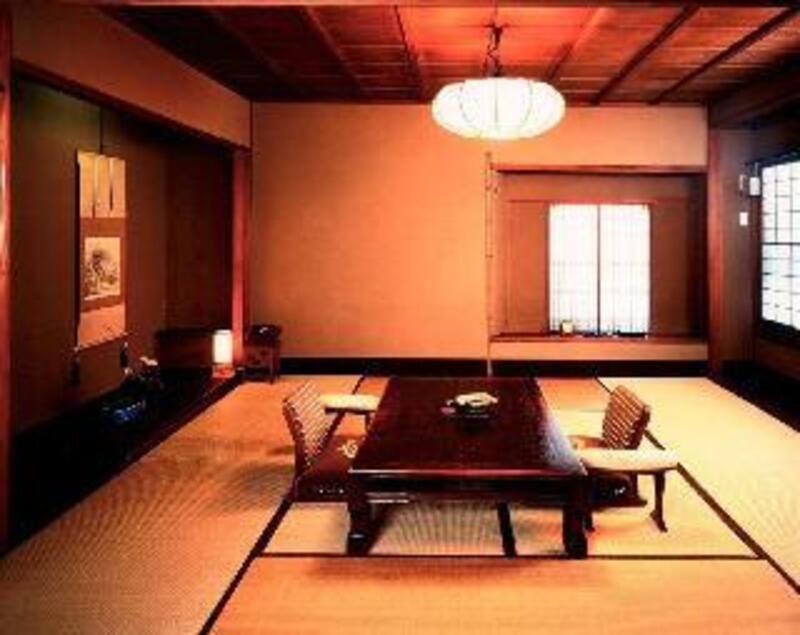
Something you don't mind removing constantly, GENSUI's floors are tatami throughout and slippers are non negotiable.
A few notes on your visit.
Check-in
From 15:00
Check-out
Until 12:00
Cards accepted
Visa, Jcb, Master Card, American Express, China Unionpay, Diners Club
Meals
Information about the type of meals included in the price is indicated in the rate details.
Special living conditions
A deposit of 20,000.00 JPY per day will be required at check-in to cover any potential damages.
Parking space
Chargeable parking available on the premises. Cost: 6,000.00 JPY per day.
Extra info
Fee for buffet breakfast: from approximately JPY 5500.00 for adults and from JPY 2775.00 for children.
The best stays aren’t a click away. Exclusive to our community just reach out and we’ll arrange it for you
Founder’s Note
THE PINK NOTEBOOK VERDICT
Your taste already has an address
Accepted credit cards include American Express, Visa, MasterCard, Discover, China UnionPay, Diners Club and JCB International, giving guests flexibility when settling their stay.
Pink Notebook helps you discover your next destination, plan your trip collaborativelly, and book your flight & stay, all in one place.
Phone number and address
+1 (929) 998 0996
368 9th Ave New York, NY 10001 USA
Information & Bookings
Mon-Sun 9 AM to 10 PM EST
+1 (929) 998 0996
©2026 Pink Notebook. All rights reserved.